How to Run a Podcast Focus Group to Improve Show Quality and Kill Bad Segments
Running a podcast focus group is a game-changing strategy for creators who want honest, actionable feedback instead of vague vanity metrics. By assembling a small, rotating panel of engaged listeners to review every single episode, podcasters can identify weak content, eliminate unpopular segments, and build an airtight feedback loop that directly improves long-term audience retention and show quality.
Key Takeaways
- Establish a rotating focus group of 6 to 12 dedicated listeners to review every single episode.
- Use financial supporters or Patreon members as your primary source for reliable, invested feedback.
- Be willing to permanently kill off popular or personally favored segments if the focus group data indicates negative reception.
- Filter feedback by looking at the middle group of listeners rather than letting extreme super-fans or chronic complainers dictate your creative direction.
- Directly connect audience feedback to your monetization strategy by keeping your most invested advocates closely tied to show development.
Why Traditional Podcast Feedback Fails
Most podcasters rely on passive metrics like download numbers, Apple Podcast reviews, and occasional social media comments to understand what their audience wants. Unfortunately, download numbers only tell you how many people pressed play, not whether they enjoyed the content or turned it off halfway through. Public reviews are notoriously skewed: you typically only hear from the exceptionally ecstatic superfan or the deeply disgruntled hater.
This creates a dangerous blind spot for creators. When you do not have a systematic way to capture structured reactions to individual episodes, you end up flying blind. You might spend hours producing a recurring segment that secretly bores your core audience, or worse, drives them away entirely. A podcast focus group solves this problem by introducing accountability, consistent qualitative data, and an active channel of communication between the creator and the consumer.
How to Structure a Podcast Focus Group
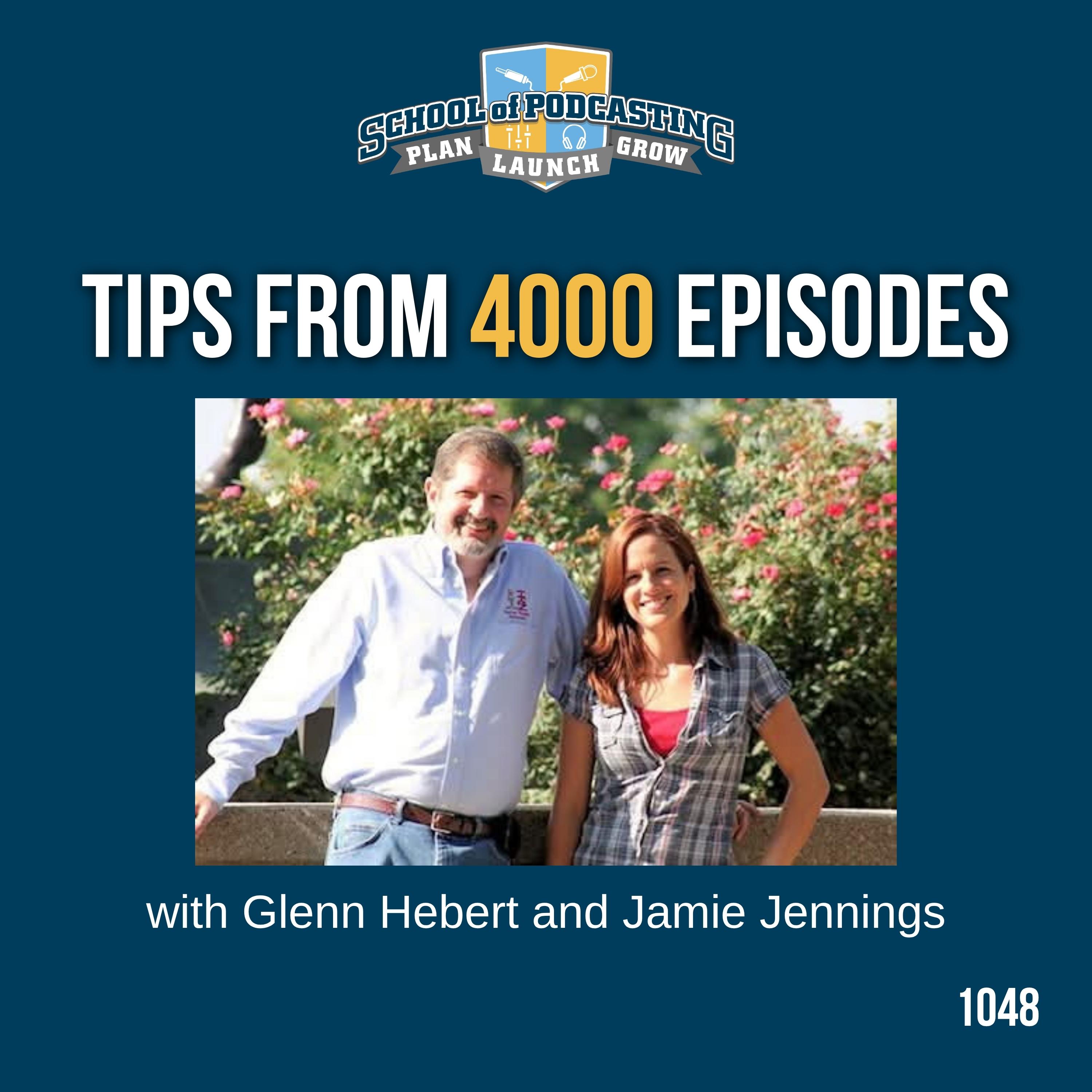
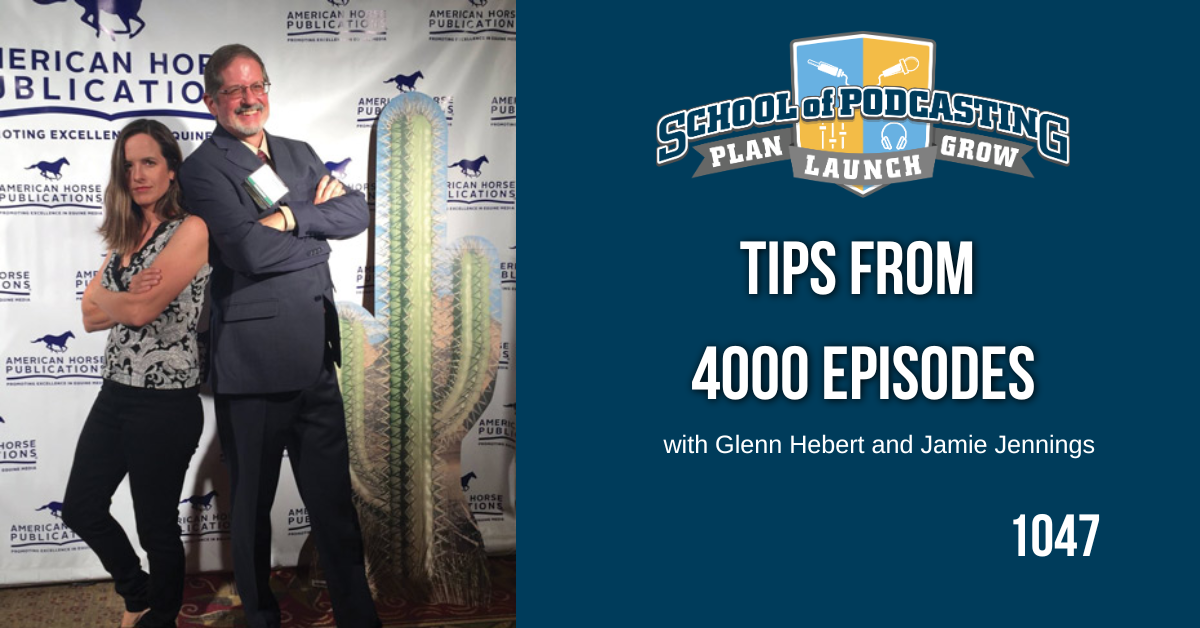
Setting up an effective focus group requires intentionality and structure. You cannot simply drop a public poll on Twitter and expect nuanced insights. Drawing inspiration from veteran daily podcasters like Glenn Hebert and Jamie Jennings of Horses in the Morning, who maintain a rotating focus group of twelve listeners who evaluate every single episode, you can build a similar system for your own show.
Recruiting the Right Panelists
Your focus group should be drawn from your most invested listeners—ideally your paying community members, Patreon supporters, or superfans who already demonstrate a high level of commitment to your show. Because these individuals have skin in the game, their critiques carry genuine weight. They want the show to succeed, which means their feedback will be constructive rather than purely destructive.
Establishing the Rules of Engagement
Keep your focus group small and manageable—somewhere between 6 and 12 participants is the sweet spot. Create a dedicated, private space for them to communicate, such as a private Facebook group, a dedicated Discord channel, or a specialized email thread. Make the expectations clear from day one: their primary obligation is to leave a brief, honest comment or score for every single episode you publish. A daily show requires daily commitment, so rotating your panel out every six months prevents burnout and keeps fresh perspectives flowing into your production pipeline.
Acting on Feedback and Killing Bad Segments
Gathering feedback is only half the battle; the real test of a podcaster's maturity is whether they are willing to act on it. Many creators fall in love with their own ideas, refusing to cut segments they personally enjoy even when the audience gives them a thumbs-down.
If your focus group consistently reports that a specific recurring segment falls flat, you have to be willing to pull the plug. For example, if you introduce a niche interview style or a quirky experimental bit that generates more negative pushback than positive engagement, treat the data objectively. Let it go. Your show is built for the 80 percent of your audience that loves your core value proposition, not the 20 percent who might tolerate your missteps—and certainly not for segments that actively turn off your strongest supporters.
Navigating the Feedback Spectrum
When you open the floor to systematic feedback, you will immediately notice three distinct tiers of listeners:
- The Super-fans: Everything you do is gold to them. They love every guest, every joke, and every experiment. While their enthusiasm is wonderful for morale, they rarely offer critical insights for improvement.
- The Negative Nellies: These individuals find something to complain about in every single episode. Whether it is audio levels, pacing, or guest selection, they nitpick incessantly. Interestingly, many of them will continue listening just to be annoyed.
- The Middle Ground: This is your holy grail. The listeners sitting comfortably in the middle offer balanced, nuanced, and realistic assessments of your work. They praise what genuinely works and point out flaws without emotional malice.
When reviewing focus group notes, train yourself to filter out the noise of the extremes and focus intensely on the middle ground. Their feedback represents the true pulse of your audience.
Conclusion
Building a sustainable, long-running podcast requires more than just a good microphone and a consistent publishing schedule; it requires deep, honest engagement with the people who consume your content. By implementing a dedicated focus group, you remove the guesswork from your show prep, eliminate dead-weight segments, and forge a stronger bond with your most loyal fans.
To dive deeper into the strategies behind running a long-standing, community-driven daily show, make sure to Listen to the full episode for more insights from industry veterans.
Frequently Asked Questions
How many people should be in a podcast focus group?
An ideal podcast focus group consists of 6 to 12 participants. This size is large enough to provide a diverse range of opinions without becoming unwieldy or difficult to manage.
How often should you rotate focus group members?
It is best to rotate your focus group members every six months. This prevents listener burnout, ensures fair workload distribution, and brings fresh perspectives to your evaluation process.
What should I do if my focus group hates a segment I personally love?
You should strongly consider cutting or reworking the segment. If your most dedicated, paying supporters consistently report that a bit does not work, trusting your personal bias over verified audience data can hurt your show's retention.
Where should a podcast focus group communicate?
Focus groups should communicate in a private, dedicated space away from the general public, such as a private Facebook group, a dedicated Discord channel, or a closed Slack workspace, ensuring members feel safe providing honest critiques.
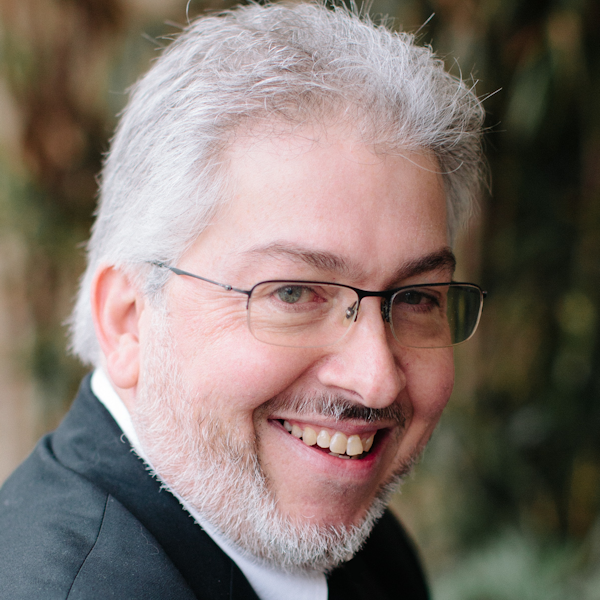
I've been podcasting since April of 2005. My podcast about podcasting has been downloaded over 3.1 million times (as of 2022). I've helped hundreds of people launch podcasts. Before podcasting, I used my degree in education (specializing in technical education) to harness the power of hardware and software (going back to fax machines and this new thing called e-mail and the Internet).
To hear what my client say, please visit my testimonial page.
How Dave is Different
Unlike many other “geeks” who know how to podcast, I've been a technical trainer for over 20 years. This means not only do I understand the technology but I can explain it in a plain English “geek-speak free” environment. I have a Bachelor's Degree in Education from the University of Akron (Specializing in technical education). While there are other podcast consultants, I believe my experience sets me apart in regards to helping you make sense of the entire podcasting process. I not only help with the “how,” but I also help explain the why, and make sure you avoid the common podcasting pitfalls. I have won awards at fortune 500 companies for my customer service. In a nutshell, I care.
I am one of the top podcast consultants, and I have spoken at many marketing and media conventions including New Media Expo, Blog World, Erma Bombeck Writing Workshops, Podcamp Columbus, Podcamp Cleveland, Podcamp Cincinnati, and the Business of Writing Summit. I am the author of the book Profit From Your Podcast.
In 2014 I was named the Director of Podcasting for t… Read More
Why I Won't Let AI Do My Thinking For Me


 Podurama
  iHeartRadio
  Goodpods
  Podcast Addict
  Amazon Music
  Castamatic
  Youtube Music
  Podverse
  Fountain