
 Apple Podcasts

 Spotify

 PocketCasts

 Overcast
 Podurama
 iHeartRadio
 Goodpods
 Podcast Addict
 Amazon Music
 Castamatic
 Youtube Music
 Podverse
 Fountain
Stop the Scroll: Better Podcast Titles and Thumbnails
Key Takeaways
- Your YouTube thumbnail serves as a billboard rather than an SEO tool, and its primary job is to stop the viewer's scroll.
- Brian Coddington emphasizes that there is no real competition in podcasting; collaborating with similar shows helps build a supportive network and grows your audience from zero.
- Reverse engineer your content by identifying your episode's core hook first, then matching that value proposition directly in both your title and thumbnail.
- When transitioning an audio podcast to video, you must restructure your content and shorten intros because video-first audiences will quickly bounce during long musical bumpers or breakfast banter.
- Avoid using AI to blindly copy popular thumbnails; instead, use AI tools like Adobe Firefly as a helper for image upscaling, background extending, or composition assistance.
Remember standing in the video store on a Friday night, holding two boxes and trying to decide which movie to rent? According to my old friend Brian Cottington, head of video marketing at Libsyn, that's exactly how YouTube works in 2026. This week Brian explains why your thumbnail is a billboard (not an SEO tool), the three thumbnail styles that work best for podcasts, why his slick motion-graphics intro caused his viewers to fall off a cliff, and whether you should use AI to make your artwork.
And even if you're thinking, "Dave, I don't do YouTube," stick around. Everything we talk about works for episode artwork and titles in audio-only podcast apps too. Plus, a word of caution about NaPodPoMo before you sign up for 30 episodes in 30 days.
There's No Such Thing as Competition in Podcasting
Here's a fun fact: Brian found me through the Podcasters' Roundtable, a show I did with Daniel J. Lewis and Ray Ortega, who are technically my "competition." He liked what he heard, started listening to the School of Podcasting, and years later we worked together at Libsyn.
Brian does the same thing on his own show, The Cinema Psychos. He keeps an eye on social media, spots movie podcasts he thinks are funny, and invites them on as guest reviewers. The Silver Linings Playlist podcast and the Movie Dumpster podcast are regular collaborators, and they trade appearances every few months. To the new podcaster who worries a guest will "steal" their audience, Brian puts it best: you're starting at zero, so it can only help you. At the very least, you're building a network of people who will like, comment on, and share your stuff.
Why Brian Added Video to His Podcast
Brian has always been a filmmaker. He started podcasting in 2016 as a creative outlet (an article by Kevin Smith gave him the nudge), and only moved to video after hearing Doc Rock from Ecamm encourage podcasters to try it. The question that sold him: is my audience there? For a movie show, a big chunk of it was on YouTube.
Two things I love about how he approached it. He treated it as an experiment, and he's having fun with it, constantly looking for ways to make the workflow faster so he doesn't burn out producing both versions. If video stops being fun for you, quit the video, not the podcast.
Your YouTube Thumbnail Is a Billboard
Brian answered my "where do I start?" question with a question: what made you pick a movie at the video store? The box art. Then the title. Then you flipped it over and read the hook on the back. YouTube is just the video store in 2026.
His process for packaging an episode:
- Find the hook first. What's the main value of this episode? What do you want people to walk away with?
- Put that hook at the very beginning of the episode. It doesn't have to be a cold open, but it has to be up front.
- Make the thumbnail and title reflect that same hook. The thumbnail stops the scroll. The title gives the image context. The first line of the description backs it up.
The mistake he sees constantly is treating the hook, the title, and the thumbnail as three separate things. If someone clicks and doesn't immediately get what those two signals promised, they bounce. It's also why I got straight to the interview this week. You saw Brian's face on the artwork, so you knew it was an interview. Nobody needs to hear what my cat did to my couch first.
3 Podcast Thumbnail Styles That Work
At Podcast Movement, Brian broke down the thumbnail styles podcasters use most. Hint: don't make a MrBeast thumbnail. You're not doing challenge videos.
- Host and guest flanking the image, with four to six words. Not the episode title. The most curiosity-driving words you can find. If the episode is about weight loss, the thumbnail might say "I wish I knew this sooner," and the title says "How I Lost 25 Pounds With One Technique." Brian calls that the "brain gap."
- Your face reacting to a visual story. He showcased the Call Me Chris podcast, which uses this with no text at all. It's great for topic-based shows because it triggers an emotional "what am I looking at?" response.
- No words at all. You don't have to put text on a thumbnail.
The thing I was guilty of: slapping the episode title on the artwork. The thumbnail and title should work together, not repeat each other.
Episode Artwork Matters for Audio-Only Podcasts Too
If you don't do YouTube, this still applies. Apple Podcasts showcases episode artwork, and the eye directs the hand to click. Brian's theory (his words, not a study) is that audio listeners are easier to convince than video viewers, because they're already in the mindset to sample an episode. Packaging your audio episodes this way can give you an edge.
Moving From Audio to Video: Rethink Your Episode Structure
The biggest shift for audio podcasters going to video isn't the camera. It's the content structure. A long music bumper followed by ten minutes of breakfast banter might look fine in your Apple consumption graph, but a video-first audience won't sit through it.
Brian learned this the hard way. He built a beautiful 20-to-30-second motion graphics intro, and YouTube Studio's audience retention graph showed a cliff right when it played. Now it's about five seconds, just the logo, then straight to him. His advice: if you want to play YouTube's game, you have to play YouTube's game. Don't try to run an audio-only playbook in a YouTube sandbox.
It works the other way, too. If your show is built for video, check how it sounds as audio. Brian tried to listen to an AI tutorial podcast and couldn't follow it, because everything was on screen. Know not just why your audience consumes your show, but how.
Live Streams Are Different
I confessed that my live streams start with an intro and an ad, and the content doesn't arrive for about two minutes. Brian's take: treat live as its own thing. A monthly live episode is for super fans who want to interact with you, and bumpers don't matter there. The Movie Dumpster crew does a no-frills wide-shot Q&A live once a month, completely separate from their heavily edited regular episodes.
Should You Use AI to Make YouTube Thumbnails?
Tools like 1of10 (around $90 a month), TubeBuddy, and VidIQ will make thumbnails for you. Brian, a fine artist and graphic designer at heart, uses AI as a helper, not a replacement:
- Upscaling or cleaning up an image in Adobe Firefly is fine.
- He hadn't shaved one day, so he gave Firefly a still and asked it to make him look sad with a three-quarter turn. It was a little creepy, but good enough.
- A/B test it. YouTube lets you test thumbnails. Try an AI-assisted one against one you made, and keep whichever drives more watch time.
- Don't clone someone else's thumbnail. The algorithm is smart enough to notice, and if your hook and title don't match, a ripped-off thumbnail won't save you. Study the composition and adapt it for your audience instead.
Should You Put Your Audio Podcast on YouTube as a Still Image?
Nobody is forcing you to do video. The podcast police are not going to knock on your door. Brian did still-image episodes for four or five years, and his most-viewed video, with over 100,000 views, is a still-image interview with an actor from the 1996 movie Skyscraper starring Anna Nicole Smith. He has no idea why.
But understand the expectation: people click on YouTube to watch video. Big shows can get away with a static image. Indie podcasters have to work harder. If your audience is genuinely on YouTube, consider simple live-action video. If not, a still image is fine, just expect low engagement.
Brian's Favorite Podcast and Video Tools
- Ecamm Live for recording (he loves the vertical feature for social clips)
- Stream Deck to live-edit his show, so production takes as long as recording
- Premiere Pro for editing
- Photoshop's Generative Fill to extend his backgrounds (Canva occasionally)
- Adobe Firefly for AI image help
- VidIQ, his one paid YouTube tool recommendation (there's a free version)
- Claude and ChatGPT for automation experiments
- Kit for his newsletter (though he admits he's terrible at newsletters)
And CapCut? He doesn't like it. The multicam feature he'd tested disappeared in the middle of a live demo, and support told him it wasn't released yet.
My Take: Don't Let Video Kill Your Podcast
I know YouTube's game. I just don't have the time to play it fully, so I do what I can and accept the results. My biggest fear is the podcaster who adds video thinking it's the thing that will catapult them, gets crushed by the extra time, effort, and money, and then cancels the whole podcast instead of dropping the video. Former Libsyn colleague Elsie Escobar said it well: try video, and if it works, great. If it's too much, go back to audio.
NaPodPoMo: 30 Episodes in 30 Days
November is NaPodPoMo (National Podcast Post Month), where you record 30 episodes in 30 days. For a brand-new podcaster, it's a great way to get your reps in. Measure uploads, not downloads. Just know that around day 12 you may run out of content and feel the pressure. If you feel overwhelmed, remember it's batting practice. Unless you're planning a daily show (which is a huge grind without a team), that's not what podcasting normally looks like. Check it out at napodpomo.org, and say hi to Jennifer for me.
Launching a Podcast in January 2027?
Start now. Aim to have it ready around December 10, because Apple takes a couple of weeks off at the end of the year.
Mentioned in this episode:
Podpage Stopped her From Quitting Her Podcast!
Kelly Palace does the Outswim Podcast (outswimpodcast.com) and has been doing it for years. She was ready to unplug the show when she discovered Podpage. It took many workflow items off her plate and kept her podcasting. Start your free 14-day Trial at podpage.com/preview
Your Podcast Starts TODAY
Check your calendar - 2027 is right around the corner. Want to launch your podcast in January? Here’s the catch: Apple takes a couple weeks off at the end of the year. Miss early December, and your launch could slip. So start planning now. The School of Podcasting gives you courses, coaching, and a community to get it done right. Visit schoolofpodcasting.com and use coupon code LISTENER. Join worry free with a thirty-day money-back guarantee. Your January launch starts today
Question of the Month: What is a "Newbie Podcaster"
Poll Question: What makes someone a “newbie podcaster”? Is it how long they’ve been podcasting or how many episodes they’ve published? Is it something else? How would you define a newbie podcaster? Leave your answer at schoolofpodcasting.com/question by November 27th and don't forget to mention your show and your website address so I can link to it in the show notes. (Please try to keep them under 5 minutes if you can).
Live Appearacves
November 7th Podindy.com use the coupon code sop - Whiteland Indiana November 12th at 3PM Daniel J. Lewis will be doing a Demo of Podgagement. Brought to you by Podpage.com Register at schoolofpodcasting.com/where
Free Podcast Tips
Frequently Asked Questions
What is the main purpose of a podcast thumbnail on YouTube?
A podcast thumbnail acts like a billboard designed strictly to stop the user from scrolling and grab their attention, rather than serving as an SEO tool.
Should you put the exact episode title on your video thumbnail?
No, your thumbnail and title should work together rather than repeating each other. Use the thumbnail for a curiosity-driven brain gap and the title to provide context.
How should podcasters approach collaboration with other shows in their niche?
Podcasters should view other shows in their niche as collaborators rather than competitors. Reaching out to similar creators helps build a network of people who will share and engage with your content.
Why do audio podcast structures often fail when moved to video?
Video-first audiences have less patience for long music bumpers and casual intro banter, meaning creators must trim the fat and deliver the hook much faster than they would in audio-only formats.
00:00 - Untitled
01:57 - Brian Cottington Interview
03:19 - How Did Brian Get Into Video?
06:23 - Collaborating with Similar Shows
08:35 - No Competition in Podcasting
10:02 - What is a Good Hook?
11:39 - Always Help People
14:33 - I Changed My Hook
14:45 - Live Stream Editing
17:19 - The Roll of the Thumbnail
21:35 - Psychological Shift Moving to Video
23:20 - Brian's Bumper
25:30 - Video Going to Audio
26:28 - Are AI Thumbnails a Good Idea
31:04 - Should I Put Static Image Videos on YouTube?
33:20 - Any Other Favorite Tools?
35:11 - What About Cap Cut?
36:58 - Where Can You Find Brian?
38:26 - Dave's Favorite Quote
39:49 - Napdopomo.org
The School of Podcasting with Dave Jackson. Podcasting since
Speaker:2005. I am your award-winning Hall of Fame podcast coach, Dave
Speaker:Jackson. Thanking you so much for being here. If you're new to
Speaker:the show, I'm glad you're here. This is where we help you plan,
Speaker:launch, and grow your podcast because you know the School of
Speaker:Podcasting is number one in podcast education, our website
Speaker:schoolofpodcasting.com, courtesy of PodPage. I'll be talking
Speaker:about more of that later. But today we are talking, and hold
Speaker:on, hold on, we're going to be talking a little YouTube with my
Speaker:old friend Brian Coddington from Libsyn, he's the head of
Speaker:marketing over there, and I saw his presentation at YouTube. And
Speaker:we've always talked about having Brian come on the show. And I
Speaker:know you might be going, "Oh, but I I don't do YouTube." Keep
Speaker:in mind, you don't have to do YouTube. And also, because I'm
Speaker:Dave. YouTube is not a podcast; it's a show. No RSS feed, no
Speaker:podcast. Get off my lawn! And so there are some things you can
Speaker:learn because we talk about artwork, and there are different
Speaker:ways to get people to click because we all want people to
Speaker:click. He also shares some tips on networking, and you know
Speaker:what? I could just sit here and just keep telling you. And we
Speaker:talked about this, and we talked about this, but we're not
Speaker:getting any closer to actually hearing Brian say it. So let's
Speaker:do that, shall we? Welcome to the School of Podcasting, buddy.
Speaker:Hey, Dave. It is. I got to tell you this: it is an absolute
Speaker:pleasure and honor to be on here. So I, I, I've known you
Speaker:long enough that I could say like I was a fan before we
Speaker:started working together.
Speaker:For anyone who's new to the show, I realize that it's two
Speaker:friends talking to each other. So you might have something that
Speaker:you and he know in this case, but you don't know. I worked at
Speaker:Libsyn for eight years. I was the head of podcasting over
Speaker:there, and wish everyone the best. I now am the head of
Speaker:podcasting at PodPage. Back to Brian.
Speaker:Like I was introduced to you. I was listening to one of your
Speaker:episodes. I think it might have been last week, and you
Speaker:mentioned Podcasters Roundtable. That was how I was introduced to
Speaker:you because I would listen to that on my way to work and on my
Speaker:way back to work when I worked at a university and introduced
Speaker:me to you, Dan J. Lewis and Ray Ortega, and then one episode I
Speaker:was like, "Man, I got to get more of this Dave Jackson."
Speaker:That's why I started to listen school podcasting, and like it's
Speaker:it's all round table because like I we got to work together
Speaker:at Libsyn, and now I'm on your show, and it's dream come true.
Speaker:So don't treat other shows like they're your competition.
Speaker:Network with them. Work with them. You'll hear how Brian did
Speaker:this in just a second. But he heard me on a show that was a
Speaker:collaboration.
Speaker:Yeah. When did you get into video? So I have always been a
Speaker:filmmaker. That has always been my thing. I got into podcasting
Speaker:as a way of being able to do something creative that's
Speaker:outside of filmmaking. So whenever you make a movie, it is
Speaker:a very long, exhaustive, and a very expensive process. You have
Speaker:to raise money. You have to get crew. You have to, you know, do
Speaker:all the things that go into making a movie. And like at the
Speaker:time, I was working a job that was not very creatively
Speaker:fulfilling, and I needed to have something to kind of be that
Speaker:outlet. And that became my podcast, The Cinema Psycho Show,
Speaker:which I've been doing now for over 10 years. And you know,
Speaker:while we were making. That the podcast, I actually because of
Speaker:my work at Libsyn was watching a watching the live stream that we
Speaker:were doing with Doc Rock over at ECamp, and he had mentioned
Speaker:during the live stream that you know you really got to try to do
Speaker:the video thing, and I had thought about it. I'm like,
Speaker:yeah, I'm audio only. I don't really want to jump into video,
Speaker:but the more I thought about it, the more I realized. I'm like,
Speaker:well, is my audience there? And like that was the kind of thing
Speaker:to me where I'm like, well, there is a considerable audience
Speaker:on video first platforms like YouTube, and so it makes sense
Speaker:that we be there because that's where the audience is at, and
Speaker:that was kind of the reason why we opted to jump into video, and
Speaker:we've been doing it ever since. And it's opened. I wouldn't say
Speaker:it's necessarily opened doors, but it's been a thing where I
Speaker:got to practice experimenting with this medium to try to make
Speaker:video work the same way that I made audio work, and that has
Speaker:been fun for me. Is like trying to see how can I make this
Speaker:workflow faster? How can I make it more efficient? How can I
Speaker:make it so that I'm not getting burned out making video and
Speaker:audio version?
Speaker:He said a couple things here. I love number one. It's an
Speaker:experiment. I don't know. Let's see if it works. He said another
Speaker:thing I love. I'm having fun. If you don't want to do video and
Speaker:you're not having fun, don't kill your podcast. Quit the
Speaker:thing that stopped you from having fun. So I love that.
Speaker:Yeah, the thing I loved. I went over and watched your episode on
Speaker:you rewatched Rocky on the Cinema Psychos, and I'll have a
Speaker:link to that in the show notes, and the thing that was really
Speaker:fun about it, as I watched it, and everybody did their Stallone
Speaker:imitation. Of course, that's just mandatory. But you
Speaker:got to do the Stallone imitation. You got to, you got
Speaker:the turtles, man. You got to get the turtles. Is it
Speaker:was four guys on screen, and we're going to talk about that.
Speaker:But four guys who obviously loved movies talking about
Speaker:movies, and I'm like, I know there's no like, you know, you
Speaker:don't get paid to do the show that way. At least it's not like
Speaker:here, but you were getting paid in doing what you love, which is
Speaker:talking about movies. Yeah, and who were the guys? It was
Speaker:another show that you had brought on.
Speaker:So yeah, we brought on the Silver Linings Playlist Podcast.
Speaker:They're a constant collaborator. We bring on when I try to find
Speaker:guests because I don't off my show is not an interview
Speaker:podcast. It's not that right. When I try to find guests, I try
Speaker:to bring on guests that I think would be good guest reviewers. I
Speaker:don't do traditional interviews because I find them boring. Not
Speaker:to say this is boring. I'm just saying, like for my own show,
Speaker:right? For my show. I've dabbled in interviews and it doesn't
Speaker:work, at least for for me. But bringing them on and making them
Speaker:part of the game is fun
Speaker:because they're another movie
Speaker:exactly
Speaker:podcast. So because I I always tell people like reach out to
Speaker:somebody and collab on an episode. And what did that look
Speaker:like for you? Did you know them? Did you? Oh,
Speaker:this wasn't our first time collaborating with them. So,
Speaker:like, we basically what I had done and what I've I've been
Speaker:doing is I keep my ear and eyes to the the social media ground,
Speaker:and you know I've seen a couple of their TikTok videos, and I
Speaker:was like, "Man, they're funny." They were obviously like, I
Speaker:don't want to say necessarily as you know in terms of popularity
Speaker:like to us, but they were similar. And I, I more or less
Speaker:just was like, you know what, these these guys would be good
Speaker:to reach out to. So I had reached out to Dustin, who's
Speaker:like kind of their, it's kind of like their version of me over at
Speaker:the Silver Lions playlist and was like, "Hey, would you guys
Speaker:want to pop on?" And and they're like, "Yeah, we would love to."
Speaker:And it started kind of this collaboration where every couple
Speaker:months we'll go on their show, they'll go come on our show, and
Speaker:we kind of have this back and forth. And there's other
Speaker:podcasts that we've done that with the Movie Dumpster podcast
Speaker:is one that I I love collaborating with because
Speaker:they're again like two guys who are absolutely hilarious. And
Speaker:the funny thing is, we all started around the same time
Speaker:period. Like we all started around 2016 for some reason. And
Speaker:myself, I attribute to an article I read by Kevin Smith
Speaker:where he was talking about like if you're a filmmaker, you
Speaker:should like do a podcast, but that was my my kick in the butt
Speaker:to get me to do it. But like we all started roughly around the
Speaker:same time, and it's been fun finding these people and
Speaker:bringing them on.
Speaker:Well, and you said at the beginning you discovered me on a
Speaker:show that was what a collaboration show between two
Speaker:people that are quote my competition. So there's no
Speaker:such thing as competition in podcasting. I don't. I don't
Speaker:believe that. Like, I mean, I have met especially new
Speaker:podcasters who are who are so against bringing on other
Speaker:people. Their guests are like, "Well, I don't. They they could
Speaker:bring my. They could. They could take my audience." I'm like,
Speaker:"Buddy, you're starting at zero. It ain't gonna hurt you. It can
Speaker:only help you. I mean, if anything beyond.". The downloads
Speaker:chase right. It is networking. It is meeting like-minded
Speaker:individuals who, if anything else, will like your comments,
Speaker:will will like your posts, and be like, "Hey, I'd love to share
Speaker:your stuff because they like you and want to network with you and
Speaker:want to work with you, so there's there's no such thing as
Speaker:competition in podcasting.
Speaker:Let's hop over to YouTube because that's what I brought
Speaker:you on here to to talk about. I'm a person that I do YouTube,
Speaker:but I'm just now really kind of like I should probably learn
Speaker:about this and stuff. And how does a podcaster now they they
Speaker:can go listen to their old stuff? But I know with YouTube,
Speaker:I always say it's the hook, it's your title and your thumbnail.
Speaker:So there's which I kind of get upset about the fact that I can
Speaker:have the world's best content, but if I don't have a good hook
Speaker:and a good title and a good thumbnail, it may not go
Speaker:anywhere. Yeah. So how do you reverse engineer like a good
Speaker:hook or a good title, and where do you start? Do I start with
Speaker:the title? Do I start like we're just take us from the from zero
Speaker:to 60?
Speaker:So first thing I'll ask you, I'll answer your question with a
Speaker:question, Dave. Do you remember going to the video store?
Speaker:I do.
Speaker:Okay. When you went to the video store, what was the thing that
Speaker:got you to pick out a video that Friday or Saturday night.
Speaker:Ooh, that's there's a couple answers for that because
Speaker:sometimes it was because it was a video store. It was marketing
Speaker:from four months ago when the movie was in the movie. So there
Speaker:was, yeah, back in the if you looked at the yeah because they
Speaker:always put the they always put the boxes flat so you could see
Speaker:the poster or the artwork, or whatever.
Speaker:Yeah, but it was it was what it was the box art.
Speaker:Yeah,
Speaker:that was the thing. And the the thing I need, I think
Speaker:podcasters, any content creator needs to understand is that we
Speaker:are living in an age where we have to be mindful of our
Speaker:packaging. You know, I have done episodes with you know people
Speaker:who were really famous and and really have done done great
Speaker:things. Like I had, oh man, I had I had a really awesome film
Speaker:director on who I'm blanking on the name on right now. But
Speaker:ultimately, no one cares about that unless the artwork is
Speaker:enough to grab people's attention.
Speaker:So here again, even if you're only doing an audio podcast,
Speaker:episodic artwork for your show can make you stand out from the
Speaker:rest. And the eye directs the hand to click.
Speaker:To kind of get back to your your original question of what should
Speaker:podcasters think about first, I always tell people you need to
Speaker:first figure out what is the hook, what is the primary value
Speaker:proposition within your episode. Ask yourself the question: What
Speaker:do I want people to take away from this episode? Do they want
Speaker:to be entertained by you know me talking about Rocky, some
Speaker:factoid about the film, do they need to learn something?
Speaker:Whatever that hook is, it has to be in the very beginning of the
Speaker:episode. Now, does that mean that you have to go do the cold
Speaker:open? Not necessarily. I mean, Dave, I listen to your show all
Speaker:the time, and you do the hook, right? Like you you pre-record
Speaker:something, and that's fine. That works, but whatever you you have
Speaker:in that beginning has to then reflect in the title and in the
Speaker:thumbnail, because oftentimes what I'll see is that people
Speaker:will they'll have an amazing hook, right? But they will treat
Speaker:the title as separate, and then they will treat the thumbnail as
Speaker:a separate thing. And then what happens on YouTube is that if my
Speaker:eyeball is immediately drawn to the thumbnail, because that's
Speaker:the first thing. Thumbnail is a billboard. It is 100% a
Speaker:billboard. It's not designed for SEO. It's literally designed
Speaker:just to get you to stop doing whatever you were doing
Speaker:beforehand. But I should be looking at that, and then
Speaker:immediately look at the title, and the title is going to give
Speaker:me context. So you know, my thumbnail could literally be
Speaker:like my face doing something shocking. That's whoa! I got to
Speaker:stop, and then I should look at the title, and the title should
Speaker:give me context to that image. And then if I'm in on the title,
Speaker:then I either might look at this the first line in the
Speaker:description because that's another point that YouTube shows
Speaker:you. But when I click on that video, if I don't get something
Speaker:related to the two signals that previously had got me, I'm gonna
Speaker:bounce. That's how people are. It's it sucks. It really does.
Speaker:But that is that's how YouTube works. And ultimately, that's
Speaker:why you kind of reverse engineer the title and thumbnail to be
Speaker:whatever that hook was.
Speaker:Yeah, and it's you bring up the video store. And as I was
Speaker:sitting here thinking about it, I remember you you'd see the
Speaker:art. And the same thing. Then you'd look at the title. Yep.
Speaker:And based on those two things, you would then maybe grab both
Speaker:boxes. And what would you do? You would turn it over and read
Speaker:the little paragraph, which is the hook. And whoever had the
Speaker:best hook, you'd be like, "All right, we can only watch one of
Speaker:these. I'm going with this one because this hooked me better,
Speaker:so it's really nothing new. It's just different, a different
Speaker:format. It's a
Speaker:video store in 2026. That's what it is.
Speaker:Which is why when I do videos now, I used to do the whole,
Speaker:"Hey, I'm Dave Jackson from the School of Podcasting," or "I
Speaker:help you plan, launch, and grow your podcast." Blah blah blah. I
Speaker:don't do that anymore. I get right to the thing. Yeah. What
Speaker:do you say to the person that takes video, right? Like, like
Speaker:my live streams. I kind of wonder sometimes if I'm hurting
Speaker:my channel because I don't edit them because they're live. And
Speaker:by the time I'm done, I've had somewhere between 20 and 40
Speaker:people watch that video, and I don't want to lose my stats.
Speaker:Yeah, but I I do the whole intro thing. Then I have an ad right
Speaker:at the beginning, which is horrible to start a show. I
Speaker:mean, then you finally get to the content about two minutes
Speaker:in, and I'm like, that probably is the worst thing to do on
Speaker:YouTube. So, so
Speaker:for a live, I treat that as separate, completely separate.
Speaker:Like, like I, I would say to anyone who's like trying to
Speaker:think about what was video. Video doesn't have to be that
Speaker:you do video episodes, by the way, like it doesn't have to be
Speaker:that you could treat video very much as like an engagement
Speaker:tactic, where you're going to do one episode a month where it is
Speaker:live, and at that point, it doesn't really matter if you
Speaker:have bumpers or anything like that. Like that's that's for the
Speaker:super fans
Speaker:to
Speaker:show up and actually like interact with you, you know my
Speaker:friends. Again, I'll I'll name drop them again. My friends over
Speaker:the Movie Dumpster podcast. They I don't know if they're still
Speaker:doing it, but like they were doing this where they would drop
Speaker:a live episode once a month, where it was just them, like no
Speaker:fancy cameras, just wide shot on them answering questions that
Speaker:are coming in, and it's not designed to be a normal episode.
Speaker:Like if you watch their episodes, it's very edited. It's
Speaker:highly edited. They have B roll up points. Doesn't take away
Speaker:from the audio, which is why they're good at what they do.
Speaker:But that live is just designed to engage with their community
Speaker:because that's what's important to them. It also helps that like
Speaker:their their episodes already get like 20 or 30,000 views at a
Speaker:time. They're very good at what they do. But that that live, it
Speaker:doesn't matter if they have you know 30 people or 20 people.
Speaker:Well, I know in your video from Podcast Movement, which was
Speaker:really great, you deconstructed somebody's thumbnail. I
Speaker:was their thumbnail. Yeah,
Speaker:yeah, and and basically redid it. And one of the things that I
Speaker:have already kind of was like, oh, and I'm guilty of this.
Speaker:Whatever the title of the video was or the title of the podcast
Speaker:was, you take the title and you put it on the artwork because
Speaker:you know. And I was like, no, there's another way. So if I'm
Speaker:not putting the title on there, oh my gosh, this is you know
Speaker:mind boggle. What should I put on the thumbnail? And I know you
Speaker:mentioned your, you know, we're all going to make our big scary
Speaker:face or whatever we're doing. So what's the role of the thumbnail
Speaker:besides stopping the scroll?
Speaker:That's it. That's all there is to it. Like it is designed
Speaker:strictly to stop your audience from doing whatever they were
Speaker:planning on doing beforehand. So maybe it was they were searching
Speaker:for something on YouTube and they saw your thumbnail
Speaker:somewhere. Maybe they're watching a video that is
Speaker:tangentially related to what you're doing, but your thumbnail
Speaker:popped up and suggested. So the the point is is that the
Speaker:thumbnail is just designed to stop you from doing whatever you
Speaker:were doing. So, and for podcasts, what I went over at
Speaker:Podcast Movement was that I found there were three styles of
Speaker:podcast specific thumbnails because obviously you could say,
Speaker:well, Brian, I want to I'm going to make a mr. Beast style
Speaker:thumbnail. I'll be like, don't do that because you're a
Speaker:podcaster. You're not mr. Beast. You're not making challenge
Speaker:videos or or anything like that. But ultimately, like the the the
Speaker:three that I found were used the most were either kind of the the
Speaker:guest or host flanked on either side of the image, and then
Speaker:usually four to six words. That's it. Four to six words of
Speaker:whatever that main value proposition is distilled down to
Speaker:something that's going to stop someone from scrolling. So, like
Speaker:you know, if I'm doing a you know podcast about this is how
Speaker:you can lose weight, which I wouldn't because I have my own
Speaker:challenges with weight loss, but if I was, I might say something
Speaker:the effect of, you know, I wish I knew this sooner, and that was
Speaker:it. It's that brain gap is what I call. Yes, yes, it's it. And
Speaker:then my title could say, I lost 20. Five pounds by this by
Speaker:knowing by using this one secret technique right like that's a
Speaker:title and then maybe if I have a guest on that would be the guest
Speaker:name so the point is is like you have different tiers of how you
Speaker:distill that information down in the thumbnail it is the most
Speaker:concise but most curiosity driving words you can use if
Speaker:you're going to put any words at all because you don't have to.
Speaker:You know the one I showcased at Podcast Movement from the Call
Speaker:Me Chris podcast. She basically has just her face reacting to
Speaker:some visual story, and that's great if you're a topic-based
Speaker:show like me because that immediately is going to cause an
Speaker:emotional response in the audience to go, what what am I
Speaker:looking at, and then immediately cause that curiosity loop to
Speaker:start at the title and then ultimately cause them to click.
Speaker:And again, if you click on that episode and you don't
Speaker:get anything related to the title or thumbnail, you're
Speaker:liable to bounce. Which is why when you started listening to
Speaker:this show, I got right to the interview because if you saw the
Speaker:thumbnail and you saw the picture of Brian, you knew it
Speaker:was an interview, and I could have said, "Well, you know, let
Speaker:me tell you what my cat did to my couch." No, get to the
Speaker:interview. Get to the good stuff as quickly as possible. That
Speaker:works both in audio and video. Again, going back to kind of
Speaker:your little curiosity loop. In most podcast apps, I think
Speaker:they're probably going to see my title a little more prevalent
Speaker:than because the artwork's always tiny. It depends
Speaker:on the app. So, like Apple Podcasts will showcase the
Speaker:episode art specifically. Yeah, but yeah.
Speaker:So you can use this even if you're like, I'm not a YouTuber.
Speaker:Yeah, this still works too. 100%,
Speaker:yeah, 100%. And that's that's the thing is, if you're audio
Speaker:only, there's not you're you're honestly giving yourself an edge
Speaker:by thinking this way because yes, you're the audio only
Speaker:audience, and this is my personal belief. It's not been
Speaker:studied, but I I think that they're easier to convince to
Speaker:listen to a show than a video audience. I think video
Speaker:audiences because you're presented with a billion
Speaker:different videos left and right. Yeah, it's it's hard to to to
Speaker:get them, but audio people, you're you're you're there. Like
Speaker:you're already in that mindset. You're already willing to sample
Speaker:an episode and and really get locked in, but yeah, if you
Speaker:package your your audio episodes this way, it can give you an
Speaker:edge, absolutely. And
Speaker:you had mentioned in your talk that you know audio only people
Speaker:when you move to video, you might face some some growing
Speaker:pains. So, what's the most critical psychological shift
Speaker:when you go in terms of your packaging and your content, when
Speaker:you decide to go into video in your audience,
Speaker:I would say like outside of packaging because I do think
Speaker:that's a very big thing. I think that podcasters have difficulty
Speaker:adapting their content for a video-first audience in general.
Speaker:So, what do I mean by that? Well, if you for four years as
Speaker:an audio-only podcaster, you know you had your hook or you
Speaker:had your intro, and then you had your you know 30 seconds of
Speaker:music bumper, and then you spent 10 minutes bantering with your
Speaker:co-host about what you had for breakfast that day, or you know
Speaker:things that like in your head you're like, my audience loves
Speaker:this stuff, right? And maybe you go on Apple Podcasts and you're
Speaker:like, you're looking at the consumption graph and you're
Speaker:seeing not seeing dips, right? So that like encourages you that
Speaker:hey, this is the structure, this is what works for my show. That
Speaker:ultimately, when you go to video first, you're gonna find that
Speaker:that structure is not going to work. You're going to find very
Speaker:quickly that the ability for video first audience to latch on
Speaker:to your show is very much like once you get past the packaging,
Speaker:it is your content. So if your content is not that great, or if
Speaker:your content does meander, or does have a you know delivery
Speaker:that is designed for audio only audiences, you're gonna find
Speaker:that it's gonna be tough to translate. I will use myself as
Speaker:an example. Like I discover this myself. So, I used to have a
Speaker:like 30 to 22nd bumper in mine. I thought it was great. I I you
Speaker:know my background is in motion graphics and visual effects, so
Speaker:I like I made this a really cool motion graphics bumper when I
Speaker:started going to video, and I'm like this is great. I'm gonna
Speaker:throw this stuff in, and I was quickly finding out on the
Speaker:consumption graph inside of YouTube Studio because you can
Speaker:see this that the minute that thing hit, I saw a cliff drop,
Speaker:and at that point I was like, okay, that means that we need to
Speaker:trim it down. So like now, if you look at my episodes, which
Speaker:you probably saw the most recent one, you know. That bumper is
Speaker:like five seconds now. It's not even. It's it's it's just the
Speaker:logo. That's it. Boom. Cut to me. And I've even experimented
Speaker:beyond that. Of like, can I remove the bumper entirely and
Speaker:just go straight into me? I don't like that structure, so
Speaker:I'm taking a like. Well, listen, we can only adjust it so far.
Speaker:Right. But like that reconfiguration of your content
Speaker:structure for your episodes, I think is really tough for new
Speaker:podcasters going into video, or just you know long-term
Speaker:podcasters like veterans who are going into video. Like because
Speaker:you've done it this way for so long, it becomes really hard to
Speaker:put yourself back in the beginner like seat.
Speaker:Yeah,
Speaker:you know what I mean.
Speaker:Yeah, it's uh. But we've always done it that way. Yes, exactly.
Speaker:It's
Speaker:well, I did it that way. You know, 2016, 2015, 2004. I can
Speaker:keep doing it. It's like, buddy. Yeah, you got to understand if
Speaker:you if you want to play YouTube's game, you got to play
Speaker:YouTube's game. Can't do this square peg and round hole thing.
Speaker:And I think that's what some podcasters, especially ones who
Speaker:are not the big stars who have big names behind them, they
Speaker:struggle at that. They're trying to play an audio only podcast
Speaker:game in a YouTube sandbox, and they're finding it's not
Speaker:working.
Speaker:Yeah, I've also heard that go the opposite way, where somebody
Speaker:will have this really cool visual thing that keeps people
Speaker:at the beginning of their show, and then you listen to it, like
Speaker:they they convert the video to audio. You hit play, and you're
Speaker:like, "All right, here's all this music, and here's," and
Speaker:you're like, where's the voiceover guy? Nope. Here's some
Speaker:more, and you're like, am I supposed to be dancing now? And
Speaker:I think I was listening to some podcast on AI and automation,
Speaker:and it was a tutorial. And I'm going, I'm like, I can't listen
Speaker:to this because it's all visual. So yeah, there is absolutely it
Speaker:goes the other way that if you're a video first and you
Speaker:think like, oh yeah, I'll just do what I did for video and the
Speaker:audio people, it's not. It's you have to understand your
Speaker:audience. It's something you preach all the time, Dave, on
Speaker:your show. Like you have to know your audience. You have to know
Speaker:not just why they want to consume it, but how they consume
Speaker:it. What's their psychology behind it, and then just build
Speaker:for it.
Speaker:You mentioned the the different types of thumbnails, and you
Speaker:just said the magic word, of course, which is AI. Yeah. So is
Speaker:that because on one hand you can go to what? There's even is it
Speaker:10 to one or one to 10? There are a bunch of one of 10. One of
Speaker:10 is one, which is also 90 bucks a month if you wanted to
Speaker:make thumbnails. And I was like, dang, no. Is is that something?
Speaker:Because on one hand they look great, but again, you mentioned
Speaker:that certain types of thumbnails have an expectation that oh,
Speaker:this is going to be you know a mr. Beast type video. This is
Speaker:going to be an interview. Like so, yes, they're pretty, but is
Speaker:something? And I'm just picking on one of 10, just because
Speaker:that's the one I remember, but there are other TubeBuddy. I
Speaker:think will make thumbnails for you. They're pretty, but is that
Speaker:a good idea?
Speaker:I personally, and this is because I, you know, my even
Speaker:though I I do I'm a filmmaker. My original love was was fine
Speaker:arts and drawing and graphic design. Yeah. So like that's
Speaker:that's that's something that that always comes back to like
Speaker:how can I manually do this you know with human creativity
Speaker:rather than the robot. I look at it as you can do that if you
Speaker:want to, but I think there is something to using those tools
Speaker:as a either helper or a guide. I'll give you an example. So, if
Speaker:for some reason you're making a thumbnail and you're like, "Man,
Speaker:I can't get a good quality JPEG out of for this this thumbnail,"
Speaker:right? Like, I'll use the example. If I'm doing a movie
Speaker:and maybe I can't find a good one, I think it's totally okay
Speaker:to say, "Take that thumbnail, that image that you're going to
Speaker:throw into your thumbnail and throw it into Firefly and say,
Speaker:"Hey, can you upres this? Can you enhance this? Can you make
Speaker:it look cleaner and sharper?" I think that's fine. Would I
Speaker:personally use myself? Yeah, I would. Like if I actually did
Speaker:this recently with a thumbnail that's that's actually up on
Speaker:Libsyn's YouTube channel. By all means go and check it out. But I
Speaker:at the time was doing a video about you know did video kill
Speaker:the audio star the audio podcast? It's a really good
Speaker:video, but I was racking my bread my brain on like the
Speaker:thumbnail. So I was like, well, I I hadn't shaved that day, and
Speaker:I needed to get the thumbnail done. So I'm like, you know
Speaker:what? Let's try AI. Let's try it out.
Speaker:Yeah.
Speaker:And so I took a still from the video, and I gave it to Firefly.
Speaker:And I'm like, can you make me look sad? And with a three
Speaker:quarter turn, to kind of like react to the image. And it
Speaker:surprisingly did a creepy job, and but it was it was good
Speaker:enough. It worked. Now would I do that all the time? Probably
Speaker:not. But I would say, like, if it can speed up your ability to
Speaker:get a thumbnail out the door, fine. Would I always have human
Speaker:creativity in it? Absolutely. And I would always keep it to
Speaker:what I know is going to work. The one nice thing too, Dave,
Speaker:that YouTube does does give you is you can A/B test these
Speaker:things. Yeah. So like it's maybe what you do is you do one AI,
Speaker:not A generated, but maybe assisted thumbnail, one
Speaker:thumbnail that you personally made, and you run a test on
Speaker:them, and you see which one is going to generate more watch
Speaker:time than the other, and then from there you can iterate on
Speaker:whichever one works, and kind of keep doing this over and over
Speaker:again until you get one that is kind of a banger. But do I think
Speaker:that you should go into one of 10 or VidIQ and say, type I want
Speaker:a thumbnail that looks like this, and then just use that.
Speaker:No, I don't think it works. I don't think it's it's effective
Speaker:either. I think it's it's more more trouble than it's worth
Speaker:because you're always going to have to do some sort of
Speaker:adjustment or manual editing anyway. But you can use that as
Speaker:a blueprint that maybe you then go and do yourself.
Speaker:Yeah, I see some of these tools where they're like just point it
Speaker:at somebody's video, and we'll make one just like that. And I'm
Speaker:like, again, one that
Speaker:doesn't work, that doesn't work anymore. Like the algorithm's
Speaker:smart enough to figure it out. Yeah. And there's also more
Speaker:beyond just the thumbnail. Like I talked about, if that hook
Speaker:doesn't work and that title doesn't give context, then
Speaker:whatever thumbnail you ripped off isn't going to work, but
Speaker:that doesn't mean like the the bones of it can't be adapted for
Speaker:your show. You can always look at structure and composition of
Speaker:that thumbnail and say like, okay, how can I modify this for
Speaker:my own content and for my own audience? The other question I
Speaker:should ask you:
Speaker:I don't want to do video. Is it worth my time to take my RSS
Speaker:feed of audio stuff and put it on YouTube?
Speaker:So no one has to be forced to do video if they don't want to,
Speaker:right? Okay,
Speaker:I'm going to first tell you that if you have an audio only show
Speaker:and you don't want to do video, don't do video. Okay, it's okay,
Speaker:it's all right. No, no one's the the the podcast police is not
Speaker:going to come knocking on your door and ask you, "Did you do
Speaker:video today?" No one's going to do that. But one thing I would
Speaker:say is that there's nothing against doing the the still
Speaker:image audio thing. I did it for years. Like seriously, I did it
Speaker:for for about you know four or five years, and in fact, if you
Speaker:go to my channel right now, surprisingly enough, the still
Speaker:image audio version that I did with an actor from a movie
Speaker:skyscraper staring at Nicole Smith from 1996, that that
Speaker:episode is like number one, and it's just a still image. I don't
Speaker:know why it's number one. I don't know why it has like
Speaker:100,000 views, but it does. But the point is, is that there is a
Speaker:thing about expectation that you do have to keep in mind. That
Speaker:when people are on YouTube, for the most part, when they click
Speaker:on a thumbnail, they are expecting to get a live action
Speaker:video. They are not expecting to get a still, so while yes, there
Speaker:are big podcasts out there that do that. If you're an indie
Speaker:podcaster, you kind of have to work harder, and that's where I
Speaker:say, like, if you know there's an audience that your show can
Speaker:tap into, and they're video first consumers, and they're on
Speaker:YouTube, then yeah, it's worth it to maybe if anything do some
Speaker:live action video that's simplified because that audience
Speaker:is there because it's it's it's verifiable. But if your audience
Speaker:isn't there, then yeah, maybe you just do some still image
Speaker:stuff. But just understand that the engagement on that is going
Speaker:to be probably really low. That you know, because again, people
Speaker:are on YouTube to watch videos. Like even though there's YouTube
Speaker:Music, the audience there is primarily there to watch videos.
Speaker:Well, you mentioned Firefly. Any other favorite tools that you
Speaker:use?
Speaker:So I've been, I've been I've been really again the automation
Speaker:stuff. I've been trying to play around with. I've been using
Speaker:Claude and ChatGPT respectively to try to try to build some cool
Speaker:automation things that again just make it so that I can sleep
Speaker:while promoting my podcast. But I mean, I I've used them all. I
Speaker:mean, I my I record my show usually with Ecamm Live, I love
Speaker:their vertical feature because it makes it really easy to kind
Speaker:of get different clips for social. I do use Kit, but I'm
Speaker:terrible at newsletters. That's literally like, don't ask me
Speaker:about newsletters, Dave, because I'm not very good at it. But I
Speaker:mean, you know, outside of that, like I. I use Premiere Pro to
Speaker:edit my show on. I've used Canva sometimes, but honestly, like
Speaker:I'm a Photoshop person, so that's what I end up using. I
Speaker:love the generative fill option within Photoshop. If you've ever
Speaker:played around with that, it's amazing. It is amazing. I've
Speaker:used it for my day job, like actually extending backgrounds.
Speaker:So if you watch a YouTube video with me on it for for on Libsyn,
Speaker:you'll notice I usually have a colored background behind me,
Speaker:but that background only goes so far. So oftentimes I usually use
Speaker:Photoshop's generator field to span the background out so it
Speaker:looks like it's actually in the studio. So those are kind of the
Speaker:the different tools that I play around with. But I have used
Speaker:VidIQ, and VidIQ is really good. You're gonna find like one tool
Speaker:to help you with YouTube. I would say invest in that one,
Speaker:and it's not that crazy. It's not 90 bucks, but it's it's a
Speaker:nice one to have. If anything, just to kind of give you some
Speaker:checkpoints, and they have a free version which works pretty
Speaker:well. But you know, that's one I'd say like if you wanna if you
Speaker:wanna pay for something? That one's probably worth doing,
Speaker:especially if you're going to do the YouTube game.
Speaker:Do you have an opinion? Because I just hear about this software
Speaker:all the time. CapCut.
Speaker:I don't like it.
Speaker:Okay. All right. There you go. Because
Speaker:I I don't I don't like. Okay. Here's the reason why. Okay. We
Speaker:did a a live stream a couple years back, in which I was was
Speaker:trying to showcase how to do multicam editing of your podcast
Speaker:using CapCut because at the time, CapCut had that ability.
Speaker:Now I don't know what happened, but while I was doing the live
Speaker:stream and while I was doing the demo, the version of CapCut I
Speaker:had no longer had the multicam ability anymore. So I was in the
Speaker:middle of this live after I had tested the thing out, and the
Speaker:multicam doesn't work. And I remember telling, I think our
Speaker:friend Corey was there, and I'm like, "Yeah, it was working. Now
Speaker:it's not," and it just kind of threw off the entire live
Speaker:stream. So I don't know, and I think I even like I even emailed
Speaker:like CapCut support, and I was like, "Hey guys, like this was
Speaker:there, and now it's not." And they said like that feature
Speaker:isn't out yet. I'm like, "Well, then how did I have it like
Speaker:earlier in the week to test?" So that's that's kind of my
Speaker:thoughts with it. I haven't used CapCut since because I was like,
Speaker:I'm not using this for for folks who like it. Great, you know, I
Speaker:know a lot of people who love using CapCut. That's what helps
Speaker:them actually make their shorts. I don't. I I honestly like when
Speaker:I'm doing my show. Talked about this before. I use my little
Speaker:Stream Deck, which is right here, and I press buttons and
Speaker:live edit my show. That's how I'm able to produce my video and
Speaker:audio episodes. You know, literally in the same amount of
Speaker:time it takes me to record it.
Speaker:Well, Brian Connington from the Cinema Psychos podcast. I'll
Speaker:have links to that in the show notes, as long as the other
Speaker:thing that you mentioned, and of course, the manager of video
Speaker:marketing at in your YouTube channel
Speaker:is okay. So for the podcast, it's at Cinema Psychos Pod.
Speaker:Thank you.
Speaker:And then Libsyn is just at Libsyn. There's always good good
Speaker:videos. A lot of me on the Libsyn channel. Yeah, yeah,
Speaker:definitely good stuff there.
Speaker:What's the latest stuff that's up there, and anything good
Speaker:coming in the future at the Libsyn YouTube channel,
Speaker:so one the video that's out right now, which is really good,
Speaker:which is on again like the video kill the audio podcast, and my
Speaker:argument is that no, it didn't, and that you know ultimately
Speaker:video's been here for a long time, and it's going to be here,
Speaker:and there's nothing to stop you from doing both or one or the
Speaker:other. So the other video that's coming out is going to be all
Speaker:about how many ads are too many ads in your podcast. So it's
Speaker:actually pulled from our our live office hours that we do
Speaker:monthly. Myself and Emilio Tello basically talk about a podcast
Speaker:topic, but I try to usually repurpose those and turn them
Speaker:into videos. So yeah, look out for that one. It's going to be
Speaker:all about you know how many ads is too many ads in your podcast,
Speaker:and how can you actually construct your episodes so you
Speaker:can accommodate ads and not make your audience angry. Excellent.
Speaker:Well, Brian, thank you so much, buddy. All right, thanks, man.
Speaker:It's again absolute pleasure. Great talking to you. Bam, bam,
Speaker:bam! Brian, the video guy, Cottington. I will put the link
Speaker:to everything he mentioned out there: the Adobe Firefly, the
Speaker:Cinema Psychos, the Libsyn YouTube channel, and the thing
Speaker:that really stood out to me is when he said this: "You got to
Speaker:understand if you if you want to play YouTube's game, you got to
Speaker:play YouTube's game,
Speaker:and I love that. I know YouTube's game. I just don't
Speaker:have enough time to play it, and so I do what I can and accept
Speaker:the results for what they are. Again, my biggest fear, because
Speaker:I've seen this happen, people are kind of a little burdened.
Speaker:Buy an audio podcast. They think video is going to be the next
Speaker:big thing that's going to catapult them. And look, I'm
Speaker:not, you know, disputing that YouTube is a great discovery
Speaker:engine, but it's also a lot of time and a lot of effort. And if
Speaker:you're getting a real camera, a lot of money. And so what
Speaker:happens is they add video. It absolutely crushes them because
Speaker:they didn't really have enough resources and time. And then
Speaker:instead of quitting the video part and going back to the audio
Speaker:part, they cancel the whole podcast. That's my biggest fear.
Speaker:So I loved Elsie Escobar. Also, another former Lipson person
Speaker:said, "Try video. Go on YouTube, and if it works for you, great.
Speaker:Keep doing it, and if it just is too much, go back to just doing
Speaker:audio. But thanks to Brian, super great guy. It made me
Speaker:melancholy. I miss Corey and Emilio and Chris and Todd and
Speaker:everybody over at Libsyn, and wish them all the best. Yeah,
Speaker:yeah, yeah. Hey, I wanted to bring up, there is a thing
Speaker:called Napod Pomo. I'm not sure how they get Napod Pomo out of
Speaker:National Podcast Post Month, but at any rate, what the ideal is
Speaker:is that you do 30 episodes in 30 days, and this is great for the
Speaker:person that has never podcasted in a way that you just start
Speaker:doing the reps. We often say, "Don't measure downloads;
Speaker:measure how many uploads you have. How many actual times have
Speaker:you swung the bat?" And so, for that, absolutely great. Just
Speaker:start recording. Get your reps in. The thing that I have seen
Speaker:from my own chair is that on about I don't know day 12 you
Speaker:run out of content maybe, and you start to really feel the
Speaker:pressure of I got to get this done, and then you feel like a
Speaker:failure because that's not easy to do. A daily show, I know so
Speaker:many podcasters that have said I'm doing a daily show, and in
Speaker:my head I go not. And because though it's daily, and then it's
Speaker:three times a week, and then it's two times a week, and then
Speaker:it's maybe weekly or maybe every other week, but daily is a very
Speaker:very hard thing to do. And so I say that if in the middle of
Speaker:Napod Pomo you go, this is really hard. It's only really
Speaker:hard if you decide to do a daily show, and if you don't have some
Speaker:sort of team, a daily show is a huge grind. Not because to make
Speaker:a good show, let's do that. To make an amazing show that people
Speaker:want to share with their friends, that's a tall tale.
Speaker:Because there's only 24 hours in a day, so I say that I'm not
Speaker:pooping on Napod Pomo. There's definitely some bonuses to it,
Speaker:but I want to let you know if you get halfway through and you
Speaker:feel overwhelmed, and I I can't do podcasting unless your
Speaker:podcast is a daily show, that's not what you're normally going
Speaker:to be doing. You are basically it's like if you go to a batting
Speaker:cage, you're practicing swinging. You know, if you're a
Speaker:golfer, you've gone to the place where you you know you swing the
Speaker:golf club off the hill or that whole nine yards. You're
Speaker:practicing is what it is, and so that part I love. But I just
Speaker:want to let you know it's really easy to feel overwhelmed in the
Speaker:middle of that. If you want to check it out, Napod is spelled
Speaker:the same way you would think N A P O D pomo.org. Say hi to
Speaker:Jennifer for me. Yeah, yeah, yeah. If you want to start a
Speaker:podcast in January 2027, have it ready. You need to start working
Speaker:on it now. You want to have it ready by I don't know December
Speaker:10th ish, because remember Apple takes a couple weeks off at the
Speaker:end of the year, so you got to have it done before January. And
Speaker:if you need help with that again, check out
Speaker:schoolofpodcasting.com.
Speaker:We've got courses, we've got coaching, and if you want, we've
Speaker:got weekly coaching. That's a new thing we're doing now. And
Speaker:of course, you've got an amazing community. It's all out there at
Speaker:School of podcasting.com. I'm Dave Jackson. I help podcasters.
Speaker:It's what I do. Been doing it for over 20 years, and I can't
Speaker:wait to see what we're gonna do together. And until next week,
Speaker:take care. God bless. Class is dismissed. And for those
Speaker:Americans, vote. If you like the show, please share it. With
Speaker:Brian, Brian, who's Brian? Brian Cuntington. All of a sudden,
Speaker:he's I don't know Irish Brian Cuntington. Here he is, Brian.
Speaker:Brian, come to the state, Brian. And I know video. I know videos
Speaker:game. Yeah, I know YouTube's. All right, let's do that again,
Speaker:shall we?
Speaker:Yeah.
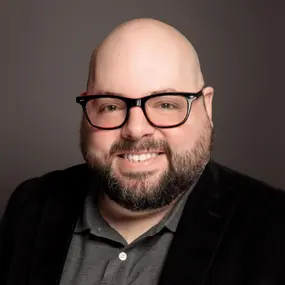
Podcaster / Filmmaker / Manager of Video Marketing at Libsyn
Brian Cottington is a podcaster, educator, and independent filmmaker with over 20 years experience. He is the Show Producer & Co-Host of The Cinema Psychos Show, a decade long movie review/comedy podcast that tackles the in’s and outs of movies, both good and bad, with comedic-yet-knowledgeable flair.
Brian also serves as the Manager of Video Marketing at Libsyn as well as an adjunct instructor at Robert Morris University and Chatham University where he helped build up the university’s first podcasting course, now in its 7th year