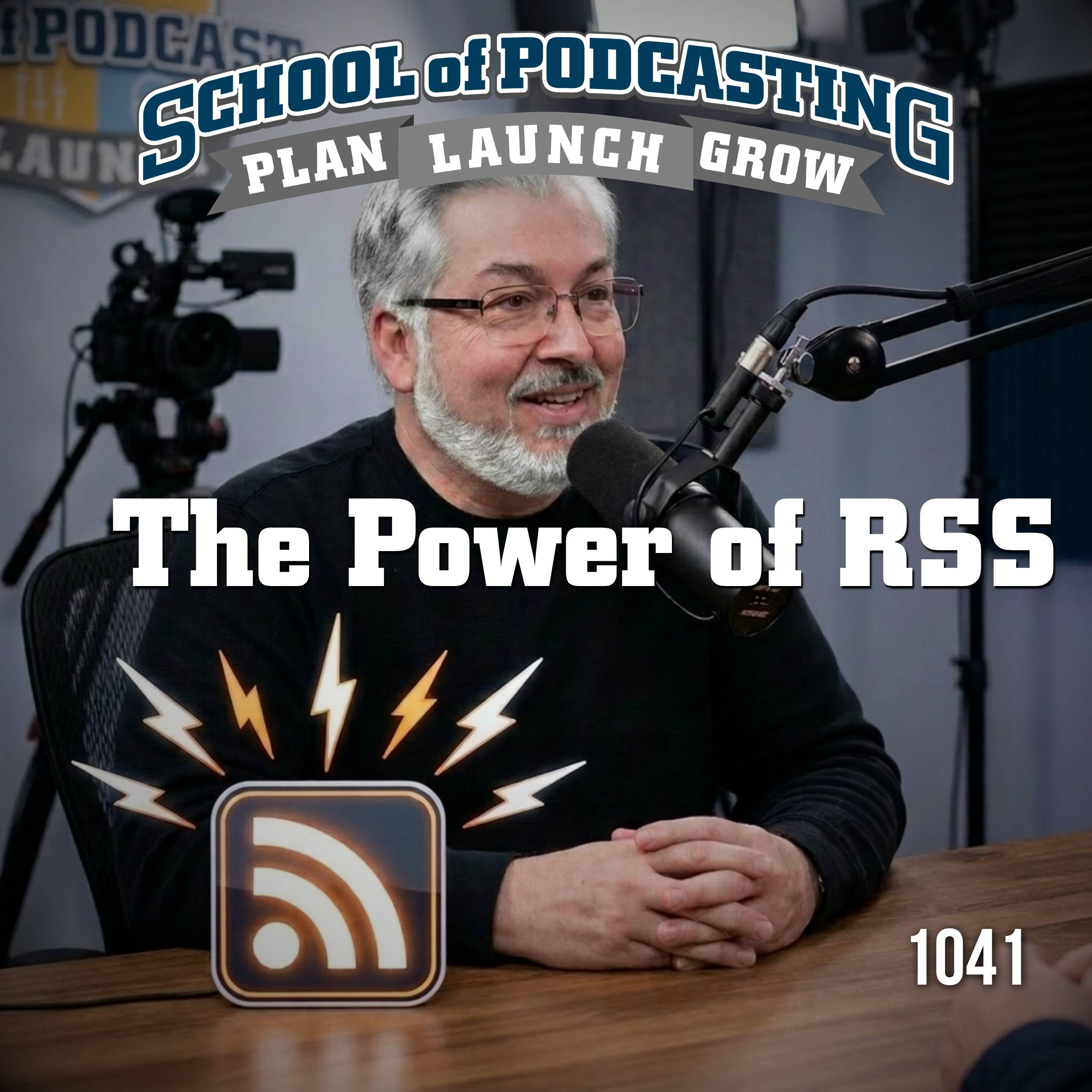
Embedding Podcast Transcripts in Your RSS Feed: A Guide for Podcasters
Are you maximizing your podcast's reach? While transcripts on your website are great, they’re only half the story. The real magic for discoverability happens when your podcast media host embeds these transcripts directly into your RSS feed, making your content accessible to a wider audience and search engines.
Key Takeaways
- Embedding transcripts directly into your RSS feed is crucial for discoverability beyond your website.
- Your podcast media host is the key enabler for integrating transcripts into your RSS feed.
- Not all media hosts offer robust transcript embedding features within the RSS feed.
- This technical step unlocks accessibility and broader search engine indexing for your podcast content.
- Prioritizing a media host with strong RSS transcript capabilities is an investment in your podcast's future growth.
Understanding the RSS Feed's Role in Transcript Syndication
We all know the RSS feed is the backbone of podcast distribution. It’s the magical link that tells podcast apps where to find your latest episodes. But have you ever considered what else can be packed into that vital feed? For many podcasters, the answer is a resounding “not much.” We focus on getting our audio files and descriptions out there, and that’s about it. However, the true power of the RSS feed extends far beyond simple episode listing. When it comes to transcripts, the difference between having them solely on your website and having them embedded within your RSS feed is monumental for discoverability and accessibility. Your media host plays an absolutely critical role in this process, acting as the conduit that pushes this valuable text data out to the wider podcasting universe.
Think about it: podcast apps and directories are constantly crawling and indexing RSS feeds. If your transcript is buried only on your website, only search engines that specifically crawl your site will find it. But when that transcript is *in* the RSS feed, it becomes directly accessible to every platform that consumes that feed. This means podcast players, smart speakers, and any other service that pulls your RSS data can potentially access and utilize your transcript. This is where the expertise of a dedicated podcast media host truly shines. They understand the nuances of RSS feed structure and how to properly package and deliver rich content like transcripts, ensuring they are not just present, but correctly formatted and readable by all consuming agents.
How Media Hosts Embed Transcripts in RSS
The process of embedding transcripts in your RSS feed might sound highly technical, but for most podcasters, it’s simply a matter of utilizing the right features provided by their media host. When you upload an episode, you typically have options to include various metadata. For hosts that support transcript embedding, there will be a specific field or upload option for your transcript file (usually in .txt, .vtt, or .srt format). Once you provide this file, the media host integrates it into the RSS feed using specific XML tags that are understood by podcasting clients and directories. This isn’t just a case of adding a link to your transcript on your website; it’s about including the actual text content within the feed itself.
The technical implementation can vary slightly between hosts. Some might automatically add a link to the transcript file if it's hosted elsewhere, while others will embed the full transcript text directly. The latter is generally more beneficial for searchability and accessibility within podcast apps. The key is to ensure your host uses the correct and standardized tags, such as the `
The Impact of RSS Transcript Embedding on Discoverability
Let's talk about the tangible benefits. When transcripts are embedded in your RSS feed, your podcast’s reach expands exponentially. Search engines, like Google, can index the content of your transcripts, meaning people searching for specific topics discussed in your episodes could find your podcast, even if they weren't actively looking for podcasts. This is a game-changer for organic discovery. Furthermore, podcast apps themselves are increasingly becoming search engines. Apps like Spotify, Apple Podcasts, and others are developing features that allow users to search within podcast episodes. If your transcripts are in the RSS feed, your content becomes searchable within these apps, putting you directly in front of listeners who are actively seeking information you provide.
Beyond search engines and apps, many accessibility tools and platforms can also leverage transcripts embedded in the RSS feed. This ensures that your podcast is not only discoverable but also inclusive. It’s about meeting your audience where they are, in the formats they prefer and through the discovery methods they use. By ensuring your media host properly embeds transcripts, you're not just creating content; you're making it far more likely to be found, consumed, and appreciated by a wider audience than ever before. This is the true power of leveraging your RSS feed to its fullest potential.
Choosing a Media Host That Supports RSS Transcript Embedding
Not all media hosts are created equal, especially when it comes to advanced features like transcript embedding in RSS feeds. While many offer basic hosting and feed generation, only a select few are built with the understanding that the RSS feed is a rich data container. When you're selecting or evaluating your current media host, this is a feature you absolutely must inquire about. Ask them directly: “Does your service embed full transcripts directly into the RSS feed for each episode, and if so, what format does it use?” Look for hosts that clearly advertise this capability and provide documentation on how it’s implemented. Dedicated podcast hosting platforms often excel here, as their core business is optimizing podcast distribution through the RSS feed.
Consider hosts that offer features beyond just audio storage. They should understand the importance of metadata and structured data within the RSS feed. If a host can’t clearly explain how they handle transcript integration into the feed, or if they only offer a link to a transcript on your website, it’s a red flag. You might be missing out on significant discoverability benefits. It’s worth potentially paying a little more for a host that prioritizes these technical aspects, as the increased visibility and accessibility can far outweigh the additional cost. Your media host is your partner in getting your podcast heard, and ensuring they can properly syndicate your transcripts is a crucial part of that partnership.
Maximizing Your Podcast's Reach with Embedded Transcripts
The journey to a successful podcast involves many steps, but optimizing your RSS feed for transcripts is one of the most impactful yet often overlooked. By understanding how your media host functions and prioritizing those that offer robust transcript embedding, you unlock a powerful avenue for discoverability. This isn't just a technicality; it's a strategic move that makes your content more accessible, searchable, and ultimately, more valuable to your audience. Don't let your hard-earned transcripts gather dust on your website; ensure they are working for you by being an integral part of your RSS feed. Learn more about making the most of your RSS feed by listening to The School of Podcasting's episode on RSS.
Frequently Asked Questions
What is an RSS feed for a podcast?
An RSS (Really Simple Syndication) feed is a data file, typically in XML format, that contains all the information about your podcast episodes, including titles, descriptions, audio file locations, and potentially other metadata like transcripts. Podcast apps and directories read this feed to display and deliver your content to listeners.
Why is embedding transcripts in the RSS feed better than just linking to them?
Embedding transcripts directly into the RSS feed makes the content directly accessible and indexable by podcast apps and search engines. Simply linking to a transcript on your website means that content is only discoverable by entities that can crawl your website, limiting its reach within the podcast ecosystem itself.
Can all podcast apps read transcripts embedded in RSS feeds?
While support is growing, not all podcast apps currently have robust features for displaying or searching embedded transcripts. However, embedding them is the standardized way to make them available, and apps that do support it can leverage this data effectively for enhanced user experience and searchability.
What file formats are typically used for podcast transcripts in RSS feeds?
Common formats for transcript files that can be embedded or linked to within an RSS feed include plain text (.txt), WebVTT (.vtt), and SubRip (.srt). Your media host will dictate which formats they support for integration into the feed.
How do I know if my current media host supports embedding transcripts in my RSS feed?
The best way is to check your media host's features list or FAQ, or to contact their support team directly. Ask specifically if they support the direct embedding of transcript files (not just links) into the RSS feed for each episode.

Using the ADDIE Model to Build a Better Podcast