

 Apple Podcasts

 Spotify

 PocketCasts

 Overcast
 Podurama
 iHeartRadio
 Goodpods
 Podcast Addict
 Amazon Music
 Castamatic
 Youtube Music
 Podverse
 Fountain
What Was That Like To Start Over? With Scott Johnson and Glenn Henert

Key Takeaways
- Scott Johnson and Glenn Henert leveraged their combined 50+ years of podcasting experience to launch their new show, Did I Hear That Right?, starting completely from zero.
- Instead of chasing one massive viral marketing strategy, Scott has documented 140 different marketing methods, focusing on doing many small things that collectively bring in listeners.
- Word-of-mouth referrals remain the most reliable source for new listeners, with Glenn's listener surveys indicating that 70% of new audiences discover shows through recommendations.
- Writing compelling episode titles focused on the 80% of casual listeners rather than the 20% of die-hard fans is crucial for standing out in a crowded podcast app.
- Co-hosting requires setting clear expectations upfront; Scott and Glenn split the production tasks evenly and drafted a legal agreement before launching, keeping the pressure off and the show fun.
What happens when two podcasters with decades of combined experience start a brand-new show from zero? Scott Johnson, of the wildly successful What Was That Like, has tested 140 different ways to grow a podcast, and he’ll tell you which ones still work today. Glenn Hebert, who has put out more than 4,100 episodes of Horses in the Morning, reveals where 70% of his new listeners actually come from. Hint: it isn’t an algorithm. Together they launched Did I Hear That Right?, and they’re sharing what has changed since they started, why they made a show with no pressure to earn a dime, how they find guests in a flood of AI pitches, and the one mistake that makes them stop listening within two minutes. If you’ve ever wondered whether you’re doing enough to grow your show, this episode will make you rethink “enough.”
Note: While these show notes were created by AI, the content is not. - Dave
140 Ways to Grow a Podcast (and Why There's No Magic Switch)
What happens when two podcasters with more than 50 years of combined experience start a brand-new show from zero? Scott Johnson, of the wildly successful What Was That Like, has tested 140 different ways to grow a podcast, and he tells me which ones still work today. Glenn Hebert, who has put out more than 4,100 episodes of Horses in the Morning, reveals where 70% of his new listeners actually come from. Hint: it isn't an algorithm. Together they launched Did I Hear That Right?, and they're sharing what has changed since they started, why they made a show with no pressure to earn a dime, how they find guests in a flood of AI pitches, and the one mistake that makes them stop listening within two minutes. If you've ever wondered whether you're doing enough to grow your show, this episode will make you rethink "enough."
Meet Two Professional Podcasters
Scott was an early School of Podcasting member. He started with The Computer Tutor back in 2012 (he still has a few remote computer repair clients who beg him never to retire), then launched What Was That Like. Glenn has been on this show more than any other guest, and he still runs Horses in the Morning, the daily flagship show of the Horse Radio Network.
These two put serious time into every episode:
- Scott: about 15 hours per episode of What Was That Like, from idea to promotion.
- Glenn: five to eight hours per daily episode of Horses in the Morning, including booking five to six guests a week. (As he says, everybody knows booking guests is the biggest pain of all.)
What's the Difference Between a Hobby Podcaster and a Pro?
Glenn's definition comes from the horse world: in competition, a pro is someone who makes their living from competing. Same for podcasting. If you make your living from it, you're a pro. Scott agreed, then joked that the problem with the new show is figuring out what to do with all the money coming in.
140 Podcast Marketing Strategies (and Counting)
Scott has documented every marketing strategy he's tried since starting his show almost nine years ago. The count is around 140. Did he just say 140? Yes, 140.
So while you're sitting there wondering, "Would that work? What's the return going to be?" Scott is out there trying it.
Scott's advice:
- Do the tried-and-true stuff. He still guests on other shows and does promo trades all the time.
- Think outside the box sometimes too.
- Stop looking for the one big thing. Instead of hunting for the switch that brings in hundreds of listeners, do 100 different strategies that each bring in a few.
Some of what he tried didn't work, and something that works for him may not work for you. You only find out by trying. I talked about this same idea in episode 1053, Attention vs. Connection: quit trying to hit a grand slam, and grow your audience one listener at a time.
And yes, Scott is going to write a book about all of this at some point. The line starts behind me.
Word of Mouth Still Wins
Glenn has run enough listener surveys to know that 70% of his new listeners come from referrals. "But Dave, there's no algorithm. There's a discoverability problem in podcasting." Poppycock.
Glenn also points out that hitting "subscribe" is a bigger commitment than it was 10 years ago. There's more to listen to and less time, so people are doing math in their heads: "Do I have an extra hour a week for this?" Scott goes a step further. He thinks about which show he'd have to drop to make room for a new one.
That's also why I've never understood seasons for most independent shows. Take three weeks off, and you're hoping nobody takes your slot in a listener's routine.
How to Write Podcast Episode Titles People Click
When you're staring at 48 unplayed episodes, you cherry-pick, even from shows you love. Scott names his episodes for that person scrolling past. "Somebody got bitten by a rattlesnake? I want to hear that story."
A few titles from these guys:
- What Was That Like: "Matt Counseled New Millionaires," "Angel Tried to Kill His Father," "Felicia Was at the Pentagon on 9/11"
- Horses in the Morning: "Barn Hacks: It's Only Weird If It Doesn't Work," "Police Horse Retirement," "Horses and Halloween"
- Did I Hear That Right?: "Phil Won $500,000," "Robin Worked for Burt Reynolds," "She Lived in a Swiss Castle," "She Adopted the Neighbor"
Here's my test: does the title make you want to click? If it does, it's a good title.
Glenn uses the 80/20 rule, and his surveys back it up. About 20% of your audience loves you and will listen to anything you put out. The other 80% are reading titles. Write for the 80%. As Scott puts it: you've got to have a hook.
Starting a New Podcast From Square One
Did I Hear That Right? is a brand-new show trying to build a brand-new audience. The difference from What Was That Like: the stories are about people who chose to do something unusual, not things that happened to them. There's no trauma, less crying, and the interviews are cut off at 15 minutes.
What about going from four- and five-figure downloads back to small numbers? It doesn't bother them. They have no expectations. As Scott says, their why isn't 100,000 downloads an episode. They like hanging out with each other and talking to fun people.
That's the part people miss. Many shows start for fun, then decide they aren't "real" until they have sponsors, and stop enjoying the sun they're standing in. The shows that keep it fun keep going, and the ones that keep going grow. (Glenn admits they're already set up to monetize if the audience shows up. They just aren't putting a deadline on it.)
Tips for Podcast Co-Hosts
- Have the awkward conversation. Every year, Jim Collison and I have the "awkward conversation" about who does what on Ask the Podcast Coach and who makes what. Glenn and Scott split the work almost down the middle, made a list, and didn't have to talk about it again.
- Sign an agreement, even if you never expect to make money. They did the legal agreement up front.
- Different styles help. Scott has three pages of checklist items for every episode. Glenn puts out a daily show and can wing it and still sound great. If your co-host is exactly like you, you have one of you too many. Find the same passion with a different viewpoint.
Give Your Audience Your Thoughts After the Interview
Glenn's pet peeve with interview shows: when the interview ends, the show ends, and the host never says what they thought. People come for the content and stay for the host. On Did I Hear That Right?, after the 15-minute interview, Scott and Glenn talk about it for up to 10 minutes. Did they ever win money? What would they have done?
I call this the Jerry Springer: after the chair-throwing, Jerry looked into the camera and asked what we learned today. It gives listeners your take on the guest, and it quietly reminds everyone whose show this is.
And please don't end with "visit my guest's website, see you next week." The last URL on your podcast should be yours.
How to Find Podcast Guests Through Your Community
With AI, we all get 30 bad pitches an hour. Did I Hear That Right? uses one question: "What's the one unusual thing you've done that no one else you know has?" Scott and Glenn post that question in their Facebook groups and mine the comments, and that's where many of their guests have come from. When they disagree on a guest, they just do the episode anyway.
How to Build a Podcast Community
Both of these guys have vibrant communities, built in different ways:
- Glenn's community is made up of Patreon supporters, so there's a built-in filter. He calls them his auditors because they audit the show and tell him things like "never have that guest back."
- Scott's Facebook group is free, private, and has around 10,000 members, and he's the only admin. "Join the Facebook group" has been his call to action on almost every episode.
Glenn's point: the biggest mistake podcasters make is not giving their community a place to be a community. When your content is engaging enough, listeners need somewhere to talk about it, because none of their friends listen to your show.
How Much Do Patreon and Subscriptions Really Make?
- Scott: subscriptions (Patreon, Supporting Cast, and Apple Podcasts Subscriptions with ad-free and bonus episodes) are roughly 10% of his income.
- Glenn: about 5%, and his Patreon consistently converts 3 to 5% of his average audience.
That lines up with what I've found: NPR told me about 1% subscribe to NPR Plus, Teachable said 2%, and most of the people I interviewed for my book said about 3%. Not the answer people want, but it is what it is.
The best way to monetize a podcast is still to sell your own product or service. Glenn told us about a history-and-food YouTuber who just raised $800,000 on Kickstarter for a board game based on his show. Think outside the box.
Working With a Podcast Ad Agency
Scott has been with Glassbox Media for almost three years, after two years with a different agency, and he's hosted on Megaphone. The agency handles sponsor acquisition, talking points, and collecting the money. He doesn't even want to be involved in rate negotiations as long as the direct deposit shows up.
How big is "big enough"? When Scott started, agencies wanted roughly 10,000 to 15,000 downloads per new episode in the first month. Now, because programmatic ads monetize the whole back catalog, he thinks they look for about 100,000 total downloads a month as a minimum. On CPMs, he'd only say that they vary by brand.
Podcast Mistakes That Make Pros Stop Listening
- Not editing (Scott). Crutch words, repetition, and tangents make some shows unlistenable to him, even big ones. Edit to make your guest sound good, or they won't share the episode.
- Losing them in the first two minutes (Glenn). You decide fast whether you like a host. Glenn completely changed how Horses in the Morning opens after hearing me ask, "Why are you wasting my time at the beginning of the show?"
- The apology opening and the "I don't know what I'm talking about today" opening (me). If you don't know what you're going to talk about, I'm not going to let you waste my time.
- "So what'd you do last weekend?" (Scott). No one cares at the start. Move it to the end, where your 20% are still listening because they love you. Podnews Weekly Review does this with James Cridland and Sam Sethi.
Try a Low-Cost Community Platform
I use Heartbeat for the School of Podcasting, and Circle is another great option, but both cost a bit more. If you want to test a paid community, look at Skool (spelled with a K). The entry plan is $9 a month, and they take 10% if you sell memberships. Once your community grows, you can move to the higher plan (I believe about $99 a month) and pay a lower transaction fee.
A community tells you who you're talking to, and when you know that, you make better content. Glenn's auditors tell him when a guest stunk up the joint. Scott knew the true-crime audience would like his true stories, so he cross-promotes with true-crime shows even though his isn't one. (You're looking for a show that shares an audience).
Doing nothing to promote your show because you're not sure something will work is wasting your time. Scott tried 140 things. Try one.
How Long Does It Take to Make Money Podcasting?
Scott said it without me asking: "You don't make money for three years anyway." Congratulations, Scott, you've joined the montage. Stick around to the end of the episode to hear the newly updated version of podcasters and creators saying it takes about three years. I'm not trying to discourage you. I'm trying to help you set realistic expectations.
Want to Launch Your Podcast in January 2027? Start Now
Apple typically takes the last two weeks of the year off, so if you want your show live in January, you really needed to start about a week and a half ago. Get going today.
Need help? That's what we do at schoolofpodcasting.com: courses, an amazing community, and coaching with me. Use the coupon code LISTENER for a monthly, quarterly, or yearly subscription. My website is courtesy of PodPage.
Websites Mentioned
- School of Podcasting (coupon code LISTENER): https://schoolofpodcasting.com
- Episode 1062 show notes and links: https://schoolofpodcasting.com/1062
- Episode 1053, Attention vs. Connection: https://schoolofpodcasting.com/1053
- Follow the School of Podcasting: https://schoolofpodcasting.com/follow
- Did I Hear That Right? (pitch your unusual story): https://didihearthatrightpodcast.com
- What Was That Like: https://whatwasthatlike.com
- Horses in the Morning / Horse Radio Network: https://horseradionetwork.com
- Ask the Podcast Coach: https://askthepodcastcoach.com
- Everything Everywhere Daily (Gary Arndt): https://everything-everywhere.com
- Glassbox Media: https://glassboxmedia.com
- Supporting Cast: https://supportingcast.fm
- Patreon: https://patreon.com
- Heartbeat: https://heartbeat.chat
- Circle: https://circle.so
- Skool: https://supportthisshow.com/skool
- Podnews (Podnews Weekly Review): https://podnews.net
- PodPage: https://podpage.com
This content may contain affiliate links, meaning I earn a small commission if you purchase through these links at no additional cost to you. I only recommend products or services I trust and believe will provide value to you. Thank you for your support!
Mentioned in this episode:
Live Appearances
I love traveling and telling the world about podcasting. Check out where I'll be using this link
Question of the Month: What is a "Newbie Podcaster"
Poll Question: What makes someone a “newbie podcaster”? Is it how long they’ve been podcasting or how many episodes they’ve published? Is it something else? How would you define a newbie podcaster? Leave your answer at schoolofpodcasting.com/question by November 27th and don't forget to mention your show and your website address so I can link to it in the show notes. (Please try to keep them under 5 minutes if you can).
You Have A Message That Needs to Be Heard
You have a message that needs to be shared. Discover the art of podcasting at the School of Podcasting. We teach you to shine a light on your stories, inspiring others one episode at a time. Let your voice be your legacy. Go to www.schoolofpodcasting.com/join
Free Podcast Tips
Frequently Asked Questions
What is the difference between a hobbyist and a professional podcaster?
According to professional podcaster Glenn Henert, the defining characteristic of a professional podcaster is that they make their living from podcasting, much like a pro in the sports or horse industry.
How do Scott Johnson and Glenn Henert find guests for Did I Hear That Right?
To bypass the flood of low-quality AI pitches, they ask a single question in their Facebook communities: 'What's the one unusual thing you've done that no one else you know has?' and mine the responses for fascinating guest stories.
How long does it typically take to make money podcasting?
Experienced podcasters like Scott Johnson and Dave Jackson note that it realistically takes about three years of consistent effort and audience building before a podcast begins to generate meaningful revenue.
What is the 80/20 rule for podcast episode titles?
About 20% of your audience are loyal fans who will listen to anything you release, while the other 80% scroll through feeds and decide based purely on the title hook. Therefore, you should craft titles that appeal to that browsing 80%.
00:00 - Untitled
02:06 - Is Scott Still Fixing Computers
02:41 - How Much Work Goes Into an Episode?
03:53 - What is a Professoinal Podcaster?
06:36 - Not Everything Will Work and That's OK
06:54 - Three years
07:28 - Word of Mouth
08:56 - Dave Doesn't Understand Seasons
09:17 - The Imprtance of Titles
11:55 - Going back to Square One
12:41 - When it All Started
13:37 - The Awkward Conversation
14:06 - The Mindset
14:43 - Your Podcast Is a Job
15:54 - Scott and Glassbox Media
16:43 - What is "Big Enough" to Work with an Agency
17:26 - CPM Pricing
17:51 - Anything Way Different?
18:44 - The Jerry Springer
19:59 - Being Listed Everywhere
20:59 - Stat Dashboard Shock?
22:30 - Leaving the Door Open to Monetization
23:18 - Complimentary Styles
25:16 - Choosing Guests
25:41 - THE Question
27:05 - Scotts Call to Action
27:13 - Give Them a Place to Talk About the Show
29:25 - Three Percent Will Join
30:29 - The Outliers
31:56 - Bad Ideas
34:21 - Don't Do This Show Opening
35:45 - Get on Glenn and Scott's Show
36:03 - Connect with Glenn and Scott
37:34 - Affordable Community Tool
39:13 - Glenn Has a Built in Focus Group
39:37 - Who Has a Similar Audience?
40:16 - Podcasts Who Would Rather THINK About Growing Their Show
44:53 - Bloopers
Scott Johnson was an early member of the School of
David Jackson:Podcasting back then. He was doing the Computer Tutor show
David Jackson:and then launched the wildly successful What Was That Like
David Jackson:show. And Glenn Hebert of Horses in the Morning from the Horse
David Jackson:Radio Network has been on this show more than any other guest.
David Jackson:And when I heard these two were connecting. These two
David Jackson:professional podcasters were getting together and starting a
David Jackson:show from scratch. I thought I would use Scott's line and ask,
David Jackson:"What was that like to go back to starting from almost zero to
David Jackson:rebuild a brand new show?" So, what's different from back in
David Jackson:the day to today when it comes to growing your audience, and
David Jackson:how do you mentally handle starting it all over with a
David Jackson:brand new show? Hit it, ladies!
David Jackson:The SOP Singers: The School of Podcasting with Dave Jackson.
David Jackson:Podcasting since 2005. I am your award-winning
David Jackson:Hall of Fame podcast coach, Dave Jackson. Thanking you so much
David Jackson:for tuning in. If you are new to the show, this is why I help you
David Jackson:plan, launch, and grow your podcast. The website, courtesy
David Jackson:of PodPage, is schoolofpodcasting.com. Use the
David Jackson:coupon code Listener when you sign up for a monthly,
David Jackson:quarterly, or yearly subscription, and if you want to
David Jackson:show going in 2027, like in January, you need to really
David Jackson:start it about a week and a half ago. Because remember, Apple is
David Jackson:going to take the last two weeks of the year off. So use that
David Jackson:coupon code today. We have two people that have been doing
David Jackson:podcasting. We kind of all added it up, like over 50 years of
David Jackson:podcasting experience. If you combine this all together, and I
David Jackson:was really excited to talk to these guys because they were
David Jackson:launching their new show. Here is my conversation with Scott
David Jackson:Johnson from What Was That Like and Glenn Hebert from Horses in
David Jackson:the Morning about their new show. Did I get that right? So,
David Jackson:gentlemen, thanks for coming on the show.
Scott Johnson:Hey, Dave.
Glenn Hebert:Good to see you, Dave.
David Jackson:Couple things because I love the fact that
David Jackson:both you guys are doing podcasting professional. Like
David Jackson:Scott, do you still do any computer stuff? I know. When you
David Jackson:first started, you had the computer tutor. Yeah, I still
David Jackson:do. I still have some computer repair clients, all remote. I
David Jackson:don't do anything hands-on. I've got clients all over the
David Jackson:country,
Scott Johnson:and I've got people that have been with me
Scott Johnson:for so long that it's like, please, they say never, never
Scott Johnson:retire because I don't know what they would do. But yeah, I
Scott Johnson:still. But but the vast majority of my time is podcasting.
David Jackson:So Scott, you've got what was that like? You
David Jackson:know, you do these intense interviews. It's so obvious that
David Jackson:you've done the research. How long do you think from from idea
David Jackson:to to finish does it take to do an episode?
Scott Johnson:I've estimated that out before, and I think
Scott Johnson:it's around 15 hours overall from idea to you know, it goes
Scott Johnson:live and you promote. Yeah, Glenn, what about you?
Glenn Hebert:So I'm still in charge of horses in the morning,
Glenn Hebert:which is still a daily show. You know, we're we're an hour to an
Glenn Hebert:hour and a half every day, five days a week. So I probably spend
Glenn Hebert:five to six hours on each episode. You know, that's
Glenn Hebert:probably a lie. It's more like seven or eight if you include
Glenn Hebert:the time it takes to book the guests because we're booking you
Glenn Hebert:know five to six guests a week, and everybody knows booking
Glenn Hebert:guests is the biggest pain in the butt of all. You know it's
Glenn Hebert:just a hassle. All
David Jackson:right, Dave's going to jump in a lot today.
David Jackson:The thing that Glenn does when he talks about booking guests,
David Jackson:he books guests that bring value to his audience, and he has a
David Jackson:group of patrons that will let him know, "Hey, never have that
David Jackson:guest come back." So it's not just, "Hey, you've got a pulse.
David Jackson:Come on my show." What's the difference between a pro
David Jackson:podcaster and I guess the opposite would be an amateur
David Jackson:podcaster or a hobby podcaster? What would you guys? What's the
David Jackson:difference you think between a hobbyist and a a pro?
Glenn Hebert:I always thought it was just if you make your if
Glenn Hebert:you make your income from podcasting, you're a pro, and
Glenn Hebert:that's the definition of a pro in the horse world. In the
Glenn Hebert:competition level, is the same thing. They make their living
Glenn Hebert:from from competing. So that that's always been kind of my
definition:is you make your living from it. You're now
definition:you're full time. I don't know, Scott. Do you agree with that?
Scott Johnson:I'd I'd go along with that. Yeah, I mean, with
Scott Johnson:now that we started this new show, the problem that we have
Scott Johnson:is what do we do with all the money that's coming in?
David Jackson:Well, that was the thing. I I loved you and
David Jackson:Gary Arndt from Everything Everywhere Daily. You guys were
David Jackson:trying everything to grow your show, and you were coming back
David Jackson:to saying, "Hey, I did this, and it seems to be you know again
David Jackson:you you never found the 10,000 download switch. At least I
David Jackson:don't think so. But what were some of the things that?".
David Jackson:You've tried to work, and are you doing them today? And are
David Jackson:they still working?
Scott Johnson:I have documented every marketing strategy that
Scott Johnson:I've tried since I started my show almost nine years ago, and
Scott Johnson:I'm at around 140 different things that I've tried.
David Jackson:Did he just say 140? Yeah, 140. So while you're
David Jackson:sitting there going, "Well, I might do this, but would that
David Jackson:work?" I'm not really sure. I thought about doing this, but
David Jackson:what's the return going to be? Scott's out there doing it 140
David Jackson:different ways, brothers and sisters. Can you hear me? Quit
David Jackson:thinking about it and do it.
Scott Johnson:And I've kept track. I'm going to write a book
Scott Johnson:at some point. Yeah, documenting all of this stuff. But I would
Scott Johnson:do the tried and true stuff, like guesting on other shows.
Scott Johnson:Hey, here we are on another show, and doing promo trades. I
Scott Johnson:still do those all the time. But you got to think outside the box
Scott Johnson:sometimes too, you know. But what you said about you know the
Scott Johnson:big 10,000 download trigger, that's what everybody would
Scott Johnson:love. But don't look for one big thing that brings you hundreds
Scott Johnson:of new listeners. Instead, do 100 different strategies that
Scott Johnson:brings you a few listeners each.
David Jackson:Oh man, so true. I talked about this in episode
David Jackson:1053 called Attention versus Connection. I'll put a link to
David Jackson:this in the show notes. But again, quit trying to hit a
David Jackson:grand slam. Think about being relevant. Think about relatable.
David Jackson:Making that connection with your audience because you grow your
David Jackson:audience one audience member at a time. It seems to me like
David Jackson:you're like, well, I'm going to try this and see what happens.
David Jackson:Absolutely.
Scott Johnson:And some of the stuff I've tried hasn't worked.
Scott Johnson:But how do you know? You know, and maybe something that works
Scott Johnson:for me isn't going to work for somebody else, and vice versa.
Scott Johnson:But yeah, I was. I mean, for the first three years,
David Jackson:I you know you don't make money for three years
David Jackson:anyway. Congratulations, Scott! You've been added to the montage
David Jackson:of other people that have said it took about three years to
David Jackson:make money with your podcast, which I'll be playing at the
David Jackson:end. I didn't tell Scott to say that. That came out without me
David Jackson:even asking. He just said it. I don't like the answer. You don't
David Jackson:like the answer. But when I ask people how long does it take to
David Jackson:make money with your podcast, the answer typically is three
David Jackson:years. Back to Scott,
Scott Johnson:and so that whole time I was just trying
Scott Johnson:everything. Okay, 10. Yep, possibly.
Glenn Hebert:You know, I think too. Scott probably is this way
Glenn Hebert:too. We we've done enough surveys over the years that 70%
Glenn Hebert:of our new listeners are coming from referrals. You know, it's
Glenn Hebert:word of mouth, and I still think that's where the majority
Glenn Hebert:probably of Scott, because he is such a dedicated fan base over
Glenn Hebert:there.
David Jackson:But Dave, there's no algorithm. There's a
David Jackson:discoverability problem in podcasting. Poppycock,
Glenn Hebert:that that's where they come from. And once you get
Glenn Hebert:rolling, and I think stats still show that too. General surveys
Glenn Hebert:still show that word of mouth is still the most reliable form of
Glenn Hebert:getting new because it's more of a commitment now for somebody to
Glenn Hebert:subscribe to your show than it was for us all of us 10 years
Glenn Hebert:ago because there's more out there and and less time. So now
Glenn Hebert:somebody going, should I subscribe to this? And what
Glenn Hebert:they're mentally doing is they're calculating in their
Glenn Hebert:mind, this is going to take an hour a week. Do I have an extra
Glenn Hebert:hour a week to listen to this show? Is it worth it for me to
Glenn Hebert:subscribe to it? So, I think that that clicking the subscribe
Glenn Hebert:button is getting more difficult because people are trying to
Glenn Hebert:justify it before they hit the subscribe button, and and that
Glenn Hebert:wasn't necessarily true years ago,
Scott Johnson:yeah. And I do have that same thought process.
Scott Johnson:What you just described. Yeah. In addition to that, thinking,
Scott Johnson:okay, I've got X number of hours available to listen to podcasts.
Scott Johnson:What other show can I knock off in order to let this new one in?
Scott Johnson:You know. Yeah, that's
David Jackson:why I've never understood, except for teams
David Jackson:that have 18 people and they're traveling around the world, I
David Jackson:don't understand seasons. To me, like I'm just gonna take three
David Jackson:weeks off and hope that nobody takes over my slot in in your
David Jackson:routine. I'm like, I don't want to do that. So it's kind of
David Jackson:tricky that way. But yeah, I just listened to an audio book,
David Jackson:Sylvester Stallone's autobiography, and it was like
David Jackson:five hours long. And I was like, and so I listened to it, and I
David Jackson:was like, all right, where am I now with podcasts? And I had
David Jackson:this giant list, and there were a bunch. I'm like, all right,
David Jackson:and this is where titles really come into play. Now, granted, I
David Jackson:could have listened to them all, but yeah, I don't know. There's
David Jackson:a certain anxiety level when you look down. You're like, I have
David Jackson:48 podcasts waiting for me. Yes,
Scott Johnson:and you know what though that that speaks to how
Scott Johnson:important it is when you name your episodes because everyone
Scott Johnson:cherry picks. Even the shows that you subscribe to, you know,
Scott Johnson:I don't listen to every single one. But when you when you're
Scott Johnson:scrolling, this is why I name my shows that way. When you're
Scott Johnson:scrolling and you think, okay. This one, no, no, no. Oh,
Scott Johnson:somebody got bitten by a rattlesnake. Okay, I want to
Scott Johnson:hear that story. Think of that person scrolling when you're
Scott Johnson:naming your shows.
David Jackson:Let me illustrate this. Here are a couple titles
David Jackson:from what was that like? Matt counseled new millionaires.
David Jackson:Angel tried to kill his father. Felicia was at the Pentagon on
David Jackson:911. Glenn has a title. Barn hacks. It's only weird if it
David Jackson:doesn't work. Police horse retirement, horses in Halloween.
David Jackson:You know that's got to be a good one. From their new show, did I
David Jackson:hear that right? Phil won $500,000. Robin worked for Burt
David Jackson:Reynolds. She lived in a Swiss castle. She adopted the
David Jackson:neighbor. All these make you go, wait, what? Or they make you
David Jackson:want to click. That's how you measure: is this a good title? I
David Jackson:don't know. Does it make you want to click it? If it does,
David Jackson:then it's a good title. Yeah, we
Glenn Hebert:do that with our new show. Yeah, we. So I go by
Glenn Hebert:the 8020 rule, and our surveys have kind of back this up.
Glenn Hebert:There's 20% that love you and are going to listen to whatever
Glenn Hebert:you put out. It's that other 80% that are watching the titles,
Glenn Hebert:and those are the ones you know the 20% are going to listen. So
Glenn Hebert:you know you're trying to play to the 80% to get them in more
Glenn Hebert:often because the 20 are going to be there anyway.
Scott Johnson:Got to have a hook.
Glenn Hebert:Yeah,
David Jackson:yeah, and I know with Scott's show, you you do
David Jackson:have a great hook. The opening of your show is like, wait,
David Jackson:what? You know, her parachute didn't open and she lived.
David Jackson:You're like, no, that can't even happen. You know, that kind of.
David Jackson:I only interview
Scott Johnson:the people who did live, so
Glenn Hebert:yeah, that's my policy. Tried to do the dead
Glenn Hebert:ones, but it doesn't work.
David Jackson:They just, you know, it's kind of a flat
David Jackson:interview. Not really much to it. Yeah. Now you you've got the
David Jackson:new show. Did I hear that right? podcast.com. What's it like to
David Jackson:go back to kind of almost square one?
Glenn Hebert:Well, it is pretty much square one. Actually, it's
Glenn Hebert:you know it's a brand new show with a brand you know trying to
Glenn Hebert:develop a brand new audience. You're right, we do promote it
Glenn Hebert:to obviously our current audiences. What makes it
Glenn Hebert:different than Scott show? It's mostly positive stuff. So I
Glenn Hebert:would say it's a happier show. There's less crying on our show
Glenn Hebert:than no, and it's short. It's 15 minutes. So the stories we we
Glenn Hebert:cut them off in 15 minutes. The stories are a little different
Glenn Hebert:nature too. They're people that have chosen to do something
Glenn Hebert:rather than something happened to them. That's kind of how I
Glenn Hebert:describe the difference. You too, Scott. Is that how you
Glenn Hebert:would describe it? Absolutely. And
Scott Johnson:there's there's no trauma,
Glenn Hebert:right?
Scott Johnson:It's something. Usually, it's a happy thing.
Scott Johnson:People love hearing these stories. Glenn, do you remember
Scott Johnson:the first phone call that we had when you called me thinking
Scott Johnson:about starting this show? I
Glenn Hebert:don't.
Scott Johnson:I think you called me to say, "Hey, I'm
Scott Johnson:thinking about this new show. What do you think?" And you
Scott Johnson:described it, and I thought, "Man, that's great," because
Scott Johnson:it's storytelling. Everyone loves a story.
Glenn Hebert:Story, yeah,
Scott Johnson:and and you weren't even looking for a
Scott Johnson:co-host at that point. I remember I kind of thrust myself
Scott Johnson:into the situation by saying, you know, what really would be
Scott Johnson:great here is if you had a co-host to. And I am not
Glenn Hebert:Dave. I like having a co-host. I can't do
Glenn Hebert:single shows. Yeah,
Scott Johnson:it's it's great, and we you know we have a good
Scott Johnson:chemistry. We we play off each other, and
Glenn Hebert:that is one nice thing. I got to tell you, Dave,
Glenn Hebert:starting a show with somebody knows what they're doing. We
Glenn Hebert:both said, "Okay, I'm doing these things, you're doing those
Glenn Hebert:things," and then we didn't have to talk about it. You know,
Glenn Hebert:we're yeah, we made a
Scott Johnson:list. Yeah, it was great.
David Jackson:That was going to be one of my questions. I always
David Jackson:every year myself and Jim Collison on Ask the Podcast
David Jackson:Coach, we have what I call the awkward conversation, where I
David Jackson:just go, "Okay, this is currently how we have it set up.
David Jackson:I make this from the show, you make that from the show. As he
David Jackson:says, he shows up, and I do everything else. And we're happy
David Jackson:with that situation. Did you guys kind of do one of those?
Glenn Hebert:Yeah, we kind of split everything in half. You
Glenn Hebert:know, it's kind of split almost down the middle. I think, and we
Glenn Hebert:went into this, and this is important. We went into it not
Glenn Hebert:thinking this show was ever going to make money. You know,
Glenn Hebert:if it did, it would be nice. The problem with doing shows
Glenn Hebert:professionally is there's pressure there all the time. You
Glenn Hebert:know, Dave, you got to make your living, got to pay the bills,
Glenn Hebert:and you know, in my case, I have to sell advertising, you know,
Glenn Hebert:to make that happen. In Scott's case, he has to get his numbers
Glenn Hebert:up so this so that the advertising really works, right?
Glenn Hebert:And Patreon and all of that. But you're always hustling. We just
Glenn Hebert:wanted to show that we could do and just have fun for us. And I
Glenn Hebert:think we were at the point in our careers where we could take
Glenn Hebert:a little time to do that, and you know, podcasting
Glenn Hebert:professionally becomes a job. The I tell everybody the fun
Glenn Hebert:part's this on the mic right here. That's the fun part.
Glenn Hebert:Everything else is a job. It's work because it's a job. We we
Glenn Hebert:do it to make a living. But so for what Scott and I do. And we
Glenn Hebert:vowed to keep it that way too, to keep the pressure low. And if
Glenn Hebert:it ever doesn't become fun, we'll stop doing it. But for
Glenn Hebert:now, it's just us getting together and talking to some fun
Glenn Hebert:people about weird stuff. You know, the last guy we
Glenn Hebert:interviewed won one and a half a million dollars on on a game
Glenn Hebert:show. So you know, it's fun to find out the nitty gritty of
Glenn Hebert:what really happens with that. Do you really get a check? How
Glenn Hebert:long is it? You know all that stuff. So that kind of thing
Glenn Hebert:that you know we just are curious people anyway. So
David Jackson:Glenn, we we kind of know your story a little bit
David Jackson:because Glenn is a verb at the School of Podcasting, where one
David Jackson:of our favorite strategies is you find a an event in your
David Jackson:genre, you go there and say, "I want to be the official podcast.
David Jackson:Just give me a booth, and I will interview the sponsors. I will
David Jackson:interview the speakers, and of course, those sponsors, many of
David Jackson:them, are still with Glenn Scott. I know how many years
David Jackson:have you been with the agency you're using now to get ads?
Scott Johnson:Three years, almost three years now. Yeah, so
Scott Johnson:Glassbox Media.
David Jackson:Yeah, were you doing sponsors before on your
David Jackson:own?
Scott Johnson:No, I was actually was a different agency
Scott Johnson:for two years prior to that.
David Jackson:Okay, and what's it like working with an agency?
David Jackson:Is there any tips or tricks or things people should know?
Scott Johnson:I love it, and anyone who's thinking about if
Scott Johnson:they have an audience that's big enough that they want to put ads
Scott Johnson:on their show, feel free to contact me, and I will connect
Scott Johnson:you with my with Glassbox. They do all of that stuff. They
Scott Johnson:handle all the sponsor acquisition, getting the talking
Scott Johnson:points, collecting the money, and you're hosted
Glenn Hebert:there too, right, Scott?
Scott Johnson:Yes. Well, hosted with Megaphone, actually.
Glenn Hebert:Yeah. Okay. And Glassbox. So you say you have if
Glenn Hebert:your audience is big enough. What's big enough? Dave was
Glenn Hebert:going to ask that next. I thought. Thank you. Yes.
Scott Johnson:Yeah. You know, it's funny when I started, they
Scott Johnson:were looking at how many downloads a new episode would
Scott Johnson:get in the first 30 days or 90 days, but now it's just overall
Scott Johnson:monthly downloads because of dynamic, you know, programmatic
Scott Johnson:ads. They can, you know, monetize all the all the back
Scott Johnson:catalog. But yeah, back then it was they want you to have like
Scott Johnson:10,000, 15,000 downloads in the first for a new episode in the
Scott Johnson:first month, and now I think they're looking at 100,000
Scott Johnson:overall a month as a minimum.
David Jackson:This might be the first question that gets cut
David Jackson:out. I'm not trying to get into your wallet, but I'm dying to
know:Are CPMS flat? Are they going up? Are they going down?
know:Or is that something we can't talk about?
Scott Johnson:I would just say that it varies. Yeah, because
Scott Johnson:you know the agency negotiates that with each brand, and
Scott Johnson:honestly, I don't even want to be involved as long as I see
Scott Johnson:that direct deposit once a month. I'm I'm fine. Is
David Jackson:there anything that you guys used to do that
David Jackson:you like? Hey, it's a new show. We're gonna do this. Like, is
David Jackson:there anything majorly that you go, oh, this is way different
David Jackson:than it was when I launched my other show.
Glenn Hebert:You know, I don't think so. The fundamentals are
Glenn Hebert:still the same, right? I don't think so. We did combine a
Glenn Hebert:little bit of what Scott does in his show and a little bit of
Glenn Hebert:what I do in my shows, so you know, we combined a little bit
Glenn Hebert:of that. So I would say that one of the pet peeves I have about
Glenn Hebert:interview shows is there's no conversation after the host
Glenn Hebert:doesn't give any thoughts. They just if K shows overdone, I you
Glenn Hebert:know, and that goes back to the come for the content, stay for
Glenn Hebert:the host. If I'm there for you, I want to know what you think,
Glenn Hebert:right, Dave? You do a good job of that, and so what we do is
Glenn Hebert:after the 15 minutes is done with the guest, we do have a
Glenn Hebert:conversation about it, and that could last 10 minutes. You know,
Glenn Hebert:people come; they hang around to hear that, you know, because
Glenn Hebert:they're because we're the hosts, right? They want to hear what we
Glenn Hebert:have to think say about that, or did we ever win money, or you
Glenn Hebert:know that kind of thing, and and our stories lead to
Glenn Hebert:conversation. The stories that we have on our show kind of lead
Glenn Hebert:to conversation after.
David Jackson:I refer to that as the Jerry Springer, where you
David Jackson:know people would be beating the snot out of each other and
David Jackson:throwing chairs at each other, and then you'd come back from
David Jackson:commercial and Jerry's sitting there going, "What did we learn
David Jackson:today?" Today, yeah, exactly. And all these, and all that
David Jackson:really does is, like you said, it gives people insight into
David Jackson:what you thought about the guest, and then you're ever so
David Jackson:passively, aggressively just saying
Unknown:it's my show,
David Jackson:you know. And that's well because
Glenn Hebert:it is, and that's why people come back is for you.
Glenn Hebert:But yet, you've listened to so many interview shows where they
Glenn Hebert:just end after the interview, and there's you're kind of
Glenn Hebert:hanging, right? Yeah.
David Jackson:Or my favorite is they go be sure and visit Glenn
David Jackson:over at horseradio network.com. See you next week, and I'm like,
David Jackson:whoa! The last thing I'm like, you want to do that, but the
David Jackson:last URL you want on your podcast is yours. Scott, can
David Jackson:you? Think of anything that's you go. Ooh, that's that's way
David Jackson:different.
Scott Johnson:You know what? What struck me is you know I
Scott Johnson:haven't started a new podcast for almost nine years.
Unknown:Yeah,
Scott Johnson:and you know if you don't do it all the time.
Scott Johnson:Now, of course, Glenn, with the network, you've been starting
Scott Johnson:new shows all along, but I had to think about okay, what what
Scott Johnson:do I have to do now? I I got to submit to Apple, and and
Scott Johnson:actually, even after our first episode went live, we would have
Scott Johnson:a few listeners would say, "Hey, you're supposed to be
Scott Johnson:everywhere, but I can't find you in Google Music or you know
Scott Johnson:Amazon Prime Music or whatever." And so we'd say, "Oh, okay, got
Scott Johnson:us got to submit to that." And so I mean, we just kind of
Scott Johnson:fumbled along. We've got experience in making a show all
Scott Johnson:the time, but starting a new one, and I mean, Dave, obviously
Scott Johnson:you help people start new shows all the time. You know all those
Scott Johnson:steps inside and out, and you helped me start my first show.
Scott Johnson:It was back in 2012, actually. So when
David Jackson:you go from this rock star, you've got this
David Jackson:well-built, well-oiled machine, and you look at your stats for
David Jackson:the first time. Was that hard to go? I'm used to getting these
David Jackson:many, you know, four or five-figure downloads, and we
David Jackson:got that. Was that hard to get used to?
Glenn Hebert:I I don't know how Scott feels, but for me, no,
Glenn Hebert:because we didn't have we don't have any expectations. We're
Glenn Hebert:just doing this for fun. So,
Scott Johnson:right, yes, you know, Dave, you always say find
Scott Johnson:your why. Well, our why isn't 100,000 downloads an episode.
Glenn Hebert:We like to hang out with each other and talk to
Glenn Hebert:fun people. That's it. You know, I mean,
David Jackson:I had a feeling that was the answer because you
David Jackson:guys said earlier, like we just want to have some fun, and
David Jackson:here's what you guys may or may not realize: you have a very
David Jackson:successful podcast because you're having fun, and and a lot
David Jackson:of people kind of miss that because they started it for fun,
David Jackson:they're having fun, but then they're like, "Well, my show's
David Jackson:only real if I get sponsors." Well, no, that's not true, and
David Jackson:so consequently, they get focused on other things.
David Jackson:Meanwhile, they're having a blast and not even really
David Jackson:soaking up the sun that they're standing in. So that's amazing.
David Jackson:And I know a lot of shows that started off for fun, and
David Jackson:because, as Glenn said, there wasn't that pressure, they kept
David Jackson:going, and as they kept going, they grew an audience, and then
David Jackson:all of a sudden they looked up and said, "Hey, I don't know,
David Jackson:should we try to make money with this thing?" And you know,
David Jackson:that's how it works.
Glenn Hebert:Well, I, I, we lied a little. All
Unknown:right,
Glenn Hebert:we're already we're already set up. If we ever
Glenn Hebert:do have that audience, we can make. Well, there you go. So we
Glenn Hebert:are set up there, but it's not something like we're going.
Glenn Hebert:Okay, in a year we have to be making a living doing this. You
Glenn Hebert:know, we we we know that's probably not going to happen,
Glenn Hebert:and that's okay as long as we're still having fun doing it, and
Scott Johnson:that's fine. And but here's what I would
recommend though:even people that start off, if you have a
recommend though:co-host or people working together, and you don't expect
recommend though:to make money ever. Still have some kind of an agreement. Glenn
recommend though:and I did the legal agreement thing ahead of time.
Glenn Hebert:I make 80%; he makes 20.
Scott Johnson:Uh huh. But yeah, well, you're a negotiator. Wow,
Scott Johnson:I didn't even realize that. But it's wonderful because our
Scott Johnson:styles also complement each other. For each episode, I have
Scott Johnson:three pages of checklist things that I do, and I make sure I do
Scott Johnson:every single one of them every time, all in advance, and I'm
Scott Johnson:ready for anything. With Glenn, he's putting the Daily Show out.
Scott Johnson:You know, it's like okay, you can wing it, and it still sounds
Scott Johnson:great. Yes, but so, but that's what I'm saying. Our our styles
Scott Johnson:complement each other, and I think that's one of the reasons
Scott Johnson:we work well together.
David Jackson:I've said this before. If you are getting a
David Jackson:co-host and they're exactly like you, you have one of you too
David Jackson:many. So find someone who has a different slant, the same
David Jackson:passion, but maybe a different view, and we'll be talking about
David Jackson:that in the future. Different viewpoints on the same subject,
David Jackson:but let's get back to Scott and Glenn. Do you guys have? If you
David Jackson:had to pick a favorite episode, somebody said, "Hey, did I hear
David Jackson:that right?" Okay, I'm going to go over to their website. Which
David Jackson:episode should I start with? I have one. The first one, it's
David Jackson:called Emily's Bad Decisions, and let's just say she ends up
David Jackson:in a back room with mobsters in Germany.
Scott Johnson:It was Germany's. It was Oktoberfest. So,
Glenn Hebert:so there, yeah. That's that's it's still my
Glenn Hebert:favorite one. I think that. Do you have a favorite?
Scott Johnson:I, you know, they're all fun. Honestly, if
Scott Johnson:the if the story wasn't fun, it wouldn't be an episode. You
Scott Johnson:know, we wouldn't even be doing it. But recently, we had on
Scott Johnson:Rachel, who was a lawyer in Texas, great storyteller, and
Scott Johnson:she went from being an attorney in Texas to living in a Swiss
Scott Johnson:castle. For 15 years,
David Jackson:as one does, yeah.
Scott Johnson:How do you think that happened?
Glenn Hebert:It's a really cool castle too.
Scott Johnson:But she's honestly Rachel has enough
Scott Johnson:stories. We could get three or four episodes out of her that
Scott Johnson:would be totally unrelated.
David Jackson:Of course, now with our good friend AI, you
David Jackson:know we get 30 bad pitches an hour now. How do you guys decide
David Jackson:who's going to get interviewed?
Glenn Hebert:Well, that's that's a tricky one because we
Glenn Hebert:we have to just go with our gut too and go, is this going to be
Glenn Hebert:interesting enough? You know, and and we disagree on that
Glenn Hebert:sometimes a little bit. He might, and then we just do them.
Glenn Hebert:You know, we we don't have to agree. We're doing the shows. So
Glenn Hebert:what the question we ask is what's the one unusual thing
Glenn Hebert:that you've done that no one else you know has that's the
Glenn Hebert:question that they're answering to get on the show so Dave you
Glenn Hebert:have to think of one that something that you've done that
Glenn Hebert:nobody you know has that unusual thing that you've done and it's
Glenn Hebert:the answer to that question that gets people on the show,
Scott Johnson:and each of us asks that in our Facebook groups
Scott Johnson:too, and we we're mining the comments for the people that
Scott Johnson:answered that question. So far, that's where many of the guests
Scott Johnson:have come from.
David Jackson:Well, that's the other thing both of you guys
David Jackson:have is a vibrant community. Any tips on how to run a community,
Scott Johnson:Glenn. You're more organized with your
Scott Johnson:community. I think the
Glenn Hebert:community that we developed and and have the
Glenn Hebert:Facebook group for and everything are all Patreon
Glenn Hebert:supporters, so they actually pay to be in there, which really
Glenn Hebert:does funnel down to the to the people that you want to have in
Glenn Hebert:your group. Scott, your Facebook group it is private group, but
Glenn Hebert:it's much larger because it's not Patreon. You know they have
Glenn Hebert:to pay to be in there. There's no barrier entry, so you
Glenn Hebert:actually probably have more policing than I do.
Scott Johnson:Maybe, but I've been so lucky. I am the only
Scott Johnson:admin or moderator in that group of 10,000 people now, and they
Scott Johnson:just you know, I mean, I've had to block a few people every once
Scott Johnson:in a while, but it's overall that's been my call to action on
Scott Johnson:almost every episode since I started the show. Join the
Scott Johnson:Facebook group. You know, it's how I interact and how they
Scott Johnson:interact with each other.
Glenn Hebert:The difference with Scott Show is he's doing
Glenn Hebert:such engaging content with these stories from the people. Dave
Glenn Hebert:talks about this all the time. Make it a good, make it
Glenn Hebert:engaging, right? Make your show engaging. That you, they want to
Glenn Hebert:talk to somebody about it, right? I keep going back to the
Glenn Hebert:guy who ate his foot.
Unknown:What? What? What?
Glenn Hebert:You want to talk to somebody about that because
Glenn Hebert:it's bizarre, and you just want to talk to somebody. And none of
Glenn Hebert:your friends listen to the show because nobody ever listens to
Glenn Hebert:what you do. So you go into the group to talk about it because
Glenn Hebert:they all listen to the show, right? And that happens in my
Glenn Hebert:group too. But if the show's engaging enough, they want to
Glenn Hebert:talk. You know, Dave, I've always said to you that the
Glenn Hebert:biggest mistake that podcasters make is they don't give their
Glenn Hebert:community a place to be a community. There's no place
Glenn Hebert:dedicated to be a community in our world. It's Facebook, right?
Glenn Hebert:That's our world. Might be different somewhere else, but
Glenn Hebert:our world's Facebook, and that's where they go to be a community.
Glenn Hebert:But if you don't open up that community, have a place to talk
Glenn Hebert:to each other, they're not going to be a community if they can't
Glenn Hebert:talk.
David Jackson:And later, when I do my Jerry Springer, I'll give
David Jackson:you a resource to start a community that can make you some
David Jackson:money. Well, and I know you both have Patreon accounts and Glenn,
David Jackson:you use your patrons because you call them auditors because
David Jackson:that's what they're doing. They're auditing the show, which
David Jackson:I think is brilliant. That like I'm going to pay you to give me.
David Jackson:You're going to pay me so I can ask you to give me feedback. I
David Jackson:love that, which is great. And then Scott, you have the 911
David Jackson:calls in terms of percentages compared to advertising, is it
David Jackson:really tiny? Is it is it you know? Again, I'm not trying to
David Jackson:get in your wallet. I just I'm trying to set expectations.
Scott Johnson:Yeah, no, I would say well, I've got Patreon and
Scott Johnson:I've got people can sign up on their Android phone with
Scott Johnson:supporting cast. I think it is okay, and then of course on an
Scott Johnson:iPhone you can sign up there. You look at my my show on an
Scott Johnson:iPhone. There's the top. It says try free. So yeah, people can
Scott Johnson:sign up and get ad free episodes and also all the bonus episodes
Scott Johnson:with 911 audio and all that. But I would say subscriber income
Scott Johnson:might be 10% overall.
Glenn Hebert:Yeah,
Unknown:yeah.
Glenn Hebert:How about you, Mister Glenn? It's probably 5%
Glenn Hebert:of total because people love free stuff. You know, you always
Glenn Hebert:said that three to 5%. If you can get three to 5% in your
Glenn Hebert:Patreon community of your total average audience, you're doing
Glenn Hebert:good. And ours is exactly three to 5% all the time. So your
Glenn Hebert:number there was entirely accurate in my in my world.
David Jackson:Yeah, I've I've seen a few people that have gone
David Jackson:above, but they're hyper hyper niche, you know. But the when
David Jackson:when I was at NPR and I asked him again, I'm not trying to get
David Jackson:in your wallet, but like what. Percentage subscribes to NPR
David Jackson:Plus, and he said 1%, and I was like, "Whoa!" Then I talked,
Glenn Hebert:and that's NPR, which is has a dedicated fan
Glenn Hebert:base. Yeah,
David Jackson:and when I talked to Teachable, which sells
David Jackson:courses, and they said 2%, and then most of the people I
David Jackson:interviewed for my book said three, and I was like, "That is
David Jackson:not an answer people are going to enjoy," but it is what it is.
David Jackson:I
Glenn Hebert:think it's very accurate.
David Jackson:Interesting. You'll
Glenn Hebert:have some that might get to seven or eight
Glenn Hebert:right percent. I follow a tech show that I know you know has
Glenn Hebert:about 16,000 Patreon supporters, and that's all they do. But you
Glenn Hebert:know his audience is hundreds of 1000s. So, by the way, can I
Glenn Hebert:throw this out here just to freak you all out? Okay,
David Jackson:all right. So
Glenn Hebert:this just happened. We've we watch a lot
Glenn Hebert:of YouTube too. I do watch a lot of YouTube. My wife and I we
Glenn Hebert:hardly watch terrestrial TV anymore. So there's this
Glenn Hebert:YouTuber. He does history and food, and he put out a GoFundMe
Glenn Hebert:or whatever that's called Kickstarter for a board game, a
Glenn Hebert:food board game based on his show, it's just finished today
Glenn Hebert:with $800,000.
Scott Johnson:Wow! Okay, you're right. That freaked me out.
Scott Johnson:Yeah,
Glenn Hebert:it just goes to show you that you know he's
Glenn Hebert:doing, he's making money on that. You know he's making money
Glenn Hebert:on the board game, right? Yeah, but it just he thought outside
Glenn Hebert:the box. Probably found a company to do it for him, right?
Glenn Hebert:And put it on Kickstarter. He has enough of an audience that
Glenn Hebert:they were all like, "Oh, give it a try." And we've all never
Glenn Hebert:played a food board game, probably. So you're going, "Oh,
Glenn Hebert:that'd be fun." Just think outside the box.
David Jackson:That's that's crazy. And again, the best way
David Jackson:to monetize your podcast: sell your own product and service. So
Scott Johnson:somebody wrote a book about that or something,
Scott Johnson:didn't they? Yeah, I think so. All right. So obviously, you
Scott Johnson:want your podcast to be a success. When you hear other
Scott Johnson:podcasts, what are some of the things that you feel, and and
Scott Johnson:Scott, you said this earlier. Every podcast is different, but
Scott Johnson:is there anything that you see that you go, yeah, that's
Scott Johnson:probably not a good idea? I think the ones that don't edit,
Scott Johnson:it sounds kind of snobbish, but there are some shows that are,
Scott Johnson:to me, are unlistenable, and even though they may have a
Scott Johnson:large audience, I don't enjoy them just because I, you know,
Scott Johnson:when I have a guest on, I want to make the guests sound as good
Scott Johnson:as possible, and because that's otherwise they're not even going
Scott Johnson:to share it. If they sound awful, they're not going to tell
Scott Johnson:anybody about it. But a lot of guests have a lot of crutch
Scott Johnson:words, and they repeat things sometimes. Sometimes they might
Scott Johnson:go off on a tangent, and if I hear something like that in my
Scott Johnson:mind, immediately as a podcaster, I'm thinking, "Wow, I
Scott Johnson:definitely would have edited that out." And if they keep
Scott Johnson:doing it too much, I can't keep listening.
David Jackson:Yeah, and then you wonder why people go, "Why
David Jackson:don't my guests share my show?" Yeah, because you didn't make
David Jackson:them sound very good, Glenn. Do you have one of those things
David Jackson:that you you hear podcasters do that you go boy?
Glenn Hebert:Mine's a little more basic. I think you know in
Glenn Hebert:the first two minutes whether you like the host or not, and
Glenn Hebert:that determines whether you're going to hang around. That it's
Glenn Hebert:just what you like, right? You're, and it's the same if you
Glenn Hebert:think about TV shows you start. If if my wife and I aren't into
Glenn Hebert:it in 10 minutes, we're out. Yeah, we should probably give it
Glenn Hebert:a whole whole episode, right? You don't. We just don't. So I
Glenn Hebert:think when I start a podcast, if I like the host immediately,
Glenn Hebert:I'll give them an episode, right? I'll give them the whole
Glenn Hebert:episode. If I don't like the host in the first two three
Glenn Hebert:minutes, and it and I think it's various things, Dave. You know,
Glenn Hebert:it's all the things you talk about too. You know, they're at
Glenn Hebert:the beginning of shows, and I've changed my show completely at
Glenn Hebert:the beginning because of you. You know, horses in the morning,
Glenn Hebert:the Daily Show. We're at 4100 episodes now, but when we first
Glenn Hebert:started, we did it much different at the beginning. Now
Glenn Hebert:it's much more boom, boom, boom, and we never talked about what
Glenn Hebert:was coming up on today's show until I heard you talking
Glenn Hebert:directly to me in the shower every time I listened to you.
Glenn Hebert:Going, why are you wasting my time at the beginning of the
Glenn Hebert:show? And I finally listened. So we have changed 360 degrees on
Glenn Hebert:what we do at the beginning because of what I heard from
Glenn Hebert:you. So I think you know within the first two or three minutes
Glenn Hebert:whether you're going to hang around or not. Just know, you
Glenn Hebert:know my
David Jackson:my favorite way to start a show is either a hey
David Jackson:I'm so sorry I missed last Wednesday and then they do a 10
David Jackson:minute apology, or my favorite is well it's Thursday and I'm
David Jackson:not sure what I'm going to talk about today but I promised you a
David Jackson:show every Thursday so strap in, kids. Here we go. I'm like,
David Jackson:okay. If you don't know what you're going to talk about, I'm
David Jackson:not going to let you waste my time. I get it.
Scott Johnson:Oh man, yes. How about the co-host who start off
Scott Johnson:the beginning of the show saying, "So what'd you do last
Scott Johnson:weekend?" No one cares. That's a great
David Jackson:thing to put at the very end. End of the show,
David Jackson:you know, if you're gonna do that, because like Glenn said,
David Jackson:that's where the people that are still there, like they loved
David Jackson:you.
Glenn Hebert:There's your 20%, right? Your 20%. Yeah,
David Jackson:there's your 20% going. No, I want to hear about
David Jackson:like James Cridlin. I was in suspense to find out how his
David Jackson:solar panels came out because at the end he does a show, Pod News
David Jackson:Weekly Review, him and Sam Sethi, and they at the very end
David Jackson:the last thing was, "What have you been up to?" Well, I was you
David Jackson:know biking through the whatever, and well I'm working
David Jackson:on my solar panels, and you know my daughter's 13 and she did
David Jackson:this thing, and it's like it's again it's still storytelling,
David Jackson:but it's not about whatever the main topic is, and it gives
David Jackson:people a chance to get to know you a little bit, so always
David Jackson:great fun. So,
Glenn Hebert:can I put in a plug?
David Jackson:Absolutely.
Glenn Hebert:If somebody listening today can answer the
Glenn Hebert:question, "What's the one unusual thing you've done that
Glenn Hebert:no one else you know has?" you could be on our show, and you
Glenn Hebert:just go to DidI Hear That Right podcast.com, and there's a place
Glenn Hebert:to sign up and tell us your story and get on the show, so we
Glenn Hebert:want to hear your unusual story.
David Jackson:Well, gentlemen, I appreciate your your time and
David Jackson:your insights. Find Scott over what was that like.com, and and
David Jackson:bring your popcorn because that's boy, that's a fun show.
David Jackson:Yeah, Glenn's Daily Show is Horses in the Morning, and of
David Jackson:course you can now hear them both on. Did I hear that right?
David Jackson:Did I hear that right? That it's called. Did I hear that right?
David Jackson:Yes, you did. You heard that right. Did I hear that right?
David Jackson:podcast.com. Gentlemen, thank you so much for your time. Yeah,
David Jackson:I am going to do a Jerry Springer right after this.
Glenn Hebert:The school of podcasting. Yeah, yeah, yeah.
David Jackson:Community is something that both of these
David Jackson:guys do very well, and I mentioned a tool that I'm
David Jackson:sniffing around, and I know it from an end user standpoint. I
David Jackson:haven't created a community using it yet, but I know a few
David Jackson:people who have, and I'm not sure why it's so inexpensive.
David Jackson:But if you're looking for a way to test a community, and you're
David Jackson:like, I've been thinking about doing a community where you have
David Jackson:to pay for it. But look, I love Heartbeat. We use Heartbeat for
David Jackson:the School of Podcasting. Circles another great
David Jackson:alternative, but those are a little up there. And for those
David Jackson:that are a little shy, you might check out School. Now it's
David Jackson:spelled with a K. I will have an affiliate link in the show
David Jackson:notes, but I am part of now two different communities where
David Jackson:people are using this, and what they do differently is you pay
David Jackson:$9 a month. If you sell a membership, they're going to
David Jackson:take 10%. That's the switch. So you're you're paying more
David Jackson:percentage wise, but you could wait and you know just do the $9
David Jackson:plan, and then once you get enough people in your community,
David Jackson:you could switch to the higher plan, which I believe is 99 a
David Jackson:month, and then they take the typical like three 5% something
David Jackson:like that. I'll put links to that out in the show notes. So
David Jackson:by having a community, you have a much better idea of who you're
David Jackson:talking to. And when you know who you're talking to, then you
David Jackson:can make better content. And Glenn has his auditors who are
David Jackson:literally telling him, "Hey, that last guest just stunk up
David Jackson:the joint." And when you have people and you know what they
David Jackson:like, then you have less guests that do that. And Scott, when he
David Jackson:first started out and in on what was that like, he had a very set
David Jackson:criteria of what kind of guest he would have on there, which
David Jackson:made his show very unique. But he also knew that he was looking
David Jackson:for an audience like his, and that's hard because his show
David Jackson:again is very niche, and as is Glenn's. It's horses, and so
David Jackson:with Scott, he was like, "Well, I have true stories, and of
David Jackson:course, one of the hottest kind of genres is true crime. So I've
David Jackson:heard Scott cross promote with other true crime shows, even
David Jackson:though his isn't really true crime, because it turns out that
David Jackson:that kind of audience would also like his kind of audience, and
David Jackson:so and now they're doing the new thing, and again, I said this
David Jackson:earlier. It drives me nuts when people do nothing, and when I
David Jackson:mean nothing, I mean nothing to promote their show because
David Jackson:they're not sure if it would work or not. Meanwhile, Scott is
David Jackson:doing 140, and by the way, the line for Scott's book starts
David Jackson:right behind me. I'm first in line for that. I can't wait to
David Jackson:you know. I'm hoping this will put a little spur on him and go.
David Jackson:Yeah, I like the idea of that book. Take my money, Scott. Take
David Jackson:my money for that book. I would love that. And so. Try
David Jackson:something, and we're all like, "Well, I don't want to waste my
David Jackson:time." Well, doing nothing is wasting your time. I mean, I
David Jackson:could do all. I've I've done whole episodes on this. It kind
David Jackson:of is a stress, frustrating point that people aren't at
David Jackson:least trying things to grow their audience after they've
David Jackson:figured out who their audience is and what they want, and they
David Jackson:make sure it's relative, and it it basically resonates with
David Jackson:their audience. Everything we mentioned today, you can
David Jackson:find@schoolofpodcasting.com slash 1061.
Glenn Hebert:Yeah, yeah, yeah.
David Jackson:Next week, I believe I'm going to be talking
David Jackson:about, and I just did this in my newsletter, and I got a fair
David Jackson:amount of feedback. And I was like, "Oh, I should probably
David Jackson:talk about this on the show." But I was going to do a podcast,
David Jackson:and I asked the questions to me that I ask all of my coaching
David Jackson:clients, and in the end, I decided, you know what, I'm not
David Jackson:going to do that podcast, and you'll find out which question
David Jackson:really let me go. You know what? That's not a good idea. And some
David Jackson:of it is just my experience in knowing. Hmm, is that really a
David Jackson:good idea? Now you can always follow the show by going to
David Jackson:schoolofpodcasting.com/follow+you'll be able to see all the episodes
David Jackson:there. And as Scott said, you can cherry pick the ones you
David Jackson:want. And of course, while you're out
David Jackson:there@schoolofpodcasting.com, you can sign up for the
David Jackson:newsletter. You can join the School of Podcasting. It's all
David Jackson:there@schoolofpodcasting.com. And if you do sign up, use the
David Jackson:coupon code Listener to save on either a monthly, quarterly, or
David Jackson:yearly subscription. Until next week, I'm Dave Jackson. I help
David Jackson:podcasters. It's what I do. Been doing it for over 20 years. I
David Jackson:can't wait to see what we do together. Take care. God bless.
David Jackson:Class is dismissed.
Scott Johnson:Well, I'm just happy with our new show that
Scott Johnson:we're finally getting a little more representation for the old
Scott Johnson:white guys. We need more old white guys in podcasting. Yes, I
Scott Johnson:was going to give another tip. Oh, hold on.
David Jackson:I haven't hit end yet, so
Scott Johnson:if you're going to start a new podcast and you
Scott Johnson:are at the age that Glenn and I are, don't just remember to hit
Scott Johnson:record. That's important, but also remember to pee before you
Scott Johnson:hit record.
David Jackson:Yes,
Glenn Hebert:yes,
David Jackson:I did not, and I'm the minute we're done. If
David Jackson:you've ever wondered why I say it takes about three years to
David Jackson:make more than Mountain Dew money, here's the newly updated
David Jackson:version of people saying it takes about three years.
Unknown:So when we started our podcast three years ago, we
Unknown:already had quite a bit of connections.
Unknown:You become a six-figure blogger, and you know is it really
Unknown:possible to do it in a year or less? So I wouldn't say like it
Unknown:is a typical route. I would say that like probably people are
Unknown:talking about it. The more typical is like you need like
Unknown:three years.
Unknown:Whatever you want to have in three years, you have to start
Unknown:today to get it, and I think this is also something. If you
Unknown:think of podcasting, if you think of SEO, two to three
Unknown:years, I would say, is a very good time frame to achieve a lot
Unknown:of things.
Unknown:Well, that's going to take a few years before you make dollar
Unknown:one, because my first ad came three years into it. Yeah,
Unknown:anybody in their right mind would have gave up by then. But
Unknown:that's all businesses. All businesses quit.
David Jackson:I, I,
Unknown:you know,
David Jackson:I have to interrupt.
Unknown:Yeah,
David Jackson:what was the timeline again?
Unknown:Three years for the first ad.
David Jackson:There we go. That's my favorite answer. I
David Jackson:tell people all the time, and I'm like,
Unknown:like, do you really have the patience to go through
Unknown:this? Because from what I heard from all these amazing experts,
Unknown:and I can tell you from my own example is it takes three plus
Unknown:years. That's the one thing where a content creator really
Unknown:needs to choose whether they're in it to win it.
Unknown:So you know, nine downloads a day, and it was only like three
Unknown:years into it where it really started to take off. And yeah,
Unknown:we're trying different things.
Unknown:Our research at Tilt Publishing shows it takes about 18 months
Unknown:to start making money, but I truly believe that number is
Unknown:three to four years. And guess what? That's pretty much like
Unknown:any other small business.
Unknown:It took three years for my podcast to garner attention.
Unknown:It can take off so many of the pressure, especially when we
Unknown:realize that the average product or business takes three years.
Unknown:And is is it official? Is it okay to say you're crushing it
Unknown:now with your course?
Unknown:Yeah, we're crushing it. We are multiple six figures. Nice.
Unknown:We've come a long way in the last few years.
David Jackson:That's awesome.
Unknown:And like. Like again, and we never made money for
Unknown:three years. Three years. Three years.
David Jackson:There's that saying again. Thank you. You
David Jackson:just got yourself into the school of podcasting.
Unknown:Actually, that was true with all three of my shows. That
Unknown:the average time between launch and actually bringing a partner
Unknown:to the table was about three and a half years.
David Jackson:I mean, for the first three years, I you know
David Jackson:you don't make money for three years anyway. And of course, I'm
David Jackson:not trying to discourage you. I'm just trying to help you set
David Jackson:realistic expectations. See you next week.
Glenn Hebert:Yeah.

Glenn the Geek founded the Horse Radio Network in July 2008. Starting with one show (The Stable Scoop Radio Show) and no listeners, since then the Horse Radio Network has now grown to numerous shows with tens of thousands of listeners from around the world.
Glenn hosts several of the shows on the network including the Stable Scoop Radio Show, HORSES IN THE MORNING and the Driving Radio Show.
Known as America’s Horse Husband, Glenn married into the horse thing about 30 years ago when he met Jennifer, his horse addicted wife. Together they ran a large training, boarding and lesson facility for over 10 years. Glenn learned to drive horses and his passion lies in being in a carriage driving ponies.
In the early married years Glenn and Jennifer owned an improvisational acting company that did over 450 shows in ten years. Glenn is a believer that entertainment comes first, education second and he transfers that belief to the shows he hosts on HRN.
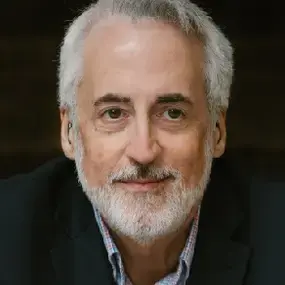
Scott has been podcasting since 2012. His first podcast was connected with his computer business, and his second show was based on his involvement with ultrarunning. He's now a full-time podcaster, hosting and producing What Was That Like - a show about real people in unreal situations. Each episode is a conversation with a regular person who's been through something extremely unusual, like a plane crash, an avalanche, a grizzly bear attack, etc. The guest just comes on the show and tells the story of what happened. This podcast has 250+ episodes and more than 17 million downloads.
Scott bikes 5-10 miles most mornings. When he's not creating the podcast, he loves playing pool (mostly 9-ball) and volunteering for the local Humane Society. He lives in the Tampa Bay area with his two Yorkies, Lilly and Fenway.