How to Use Net Promoter Scores to Improve Your Podcast Content
Using the Net Promoter Score (NPS) methodology, podcasters can quantitatively measure audience loyalty and content resonance. By asking listeners how likely they are to recommend the show to others, creators can identify specific content gaps, validate listener engagement, and move beyond vague feedback to refine their episodes for long-term growth and retention.
Key Takeaways
- Net Promoter Scores provide a measurable metric to distinguish between polite listeners and genuine fans.
- A score of 9 or 10 indicates high advocacy, while 6 or below suggests that your content isn't yet compelling enough to trigger organic growth.
- Specific, direct questioning avoids the trap of receiving vague "it's a good show" feedback that doesn't provide actionable improvements.
- Content resonance is verified when your audience is willing to risk their own social reputation by recommending your show to their peers.
- Intentional feedback loops are the secret weapon for turning a casual listener into a dedicated community member.
Why Standard Podcast Stats Fall Short
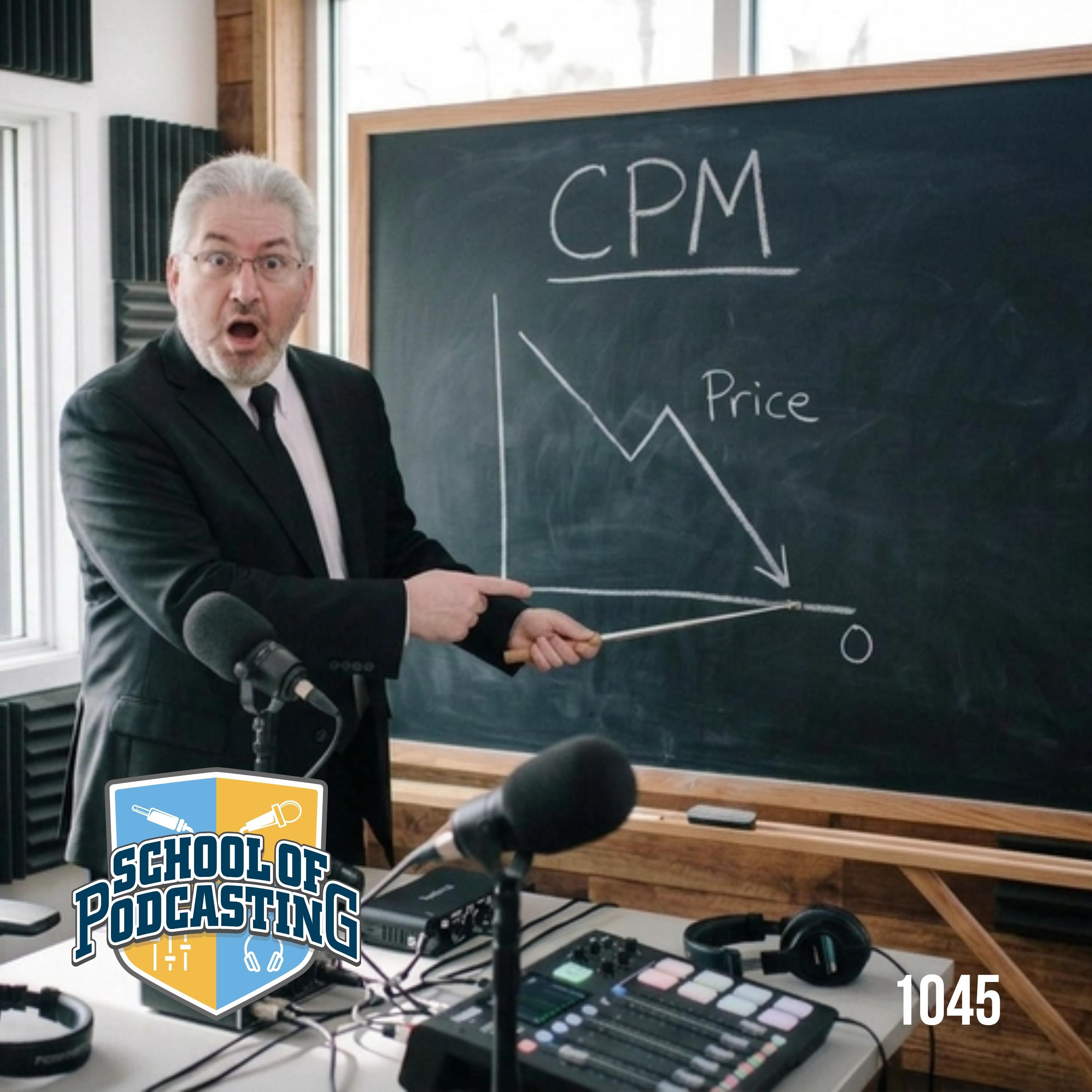
For too long, the podcasting industry has been obsessed with vanity metrics like total downloads. While download numbers can show reach, they rarely reflect the depth of the relationship between host and listener. As noted in industry discussions, programmatic ads and CPM-based models are becoming increasingly volatile. When you rely solely on automated download counts, you lose the ability to understand if your listeners are actually enjoying the show or just letting it run in the background.
To build a future-proof show, you need to transition from passive metrics to active feedback. This is where the Net Promoter Score (NPS) becomes invaluable. By focusing on whether a listener would actively recommend your show to a friend, you are measuring the "virality potential" of your content. If a listener wouldn't recommend it, they aren't fully bought into your brand, no matter how many times they click play.
The Significance of the 9-10 Score
In the NPS system, respondents are categorized by their likelihood to recommend a product on a scale of 0 to 10. A score of 9 or 10 marks your "Promoters." These are the listeners who act as your marketing team, sharing clips, talking about your episodes on social media, and bringing new listeners into your ecosystem. If your current audience feedback consistently hovers between 7 and 8, you are dealing with "Passives." They like the show, but they aren't moved enough to change the behavior of others. If you are consistently hitting 6 or below, your content structure likely requires a fundamental shift to better meet listener expectations.
How to Ask for Meaningful Feedback
Most podcasters make the mistake of sending out broad, vague surveys. Asking "What do you think of the show?" will almost always yield a generic "I love it!" which provides zero actionable data for improvement. To get real, usable feedback, you must be specific.
Start by identifying your most engaged listeners—the ones who email you or comment on social posts. When you reach out to them, frame the question clearly. For example, rather than just asking for a rating, ask: "On a scale from 1 to 10, how likely are you to tell a friend to listen to this show? If you give me a score below a 9, what is one thing I could change that would make you rate it a 10?"
This follow-up question is the "gold" in the feedback process. It reveals exactly what listeners find missing or distracting. Perhaps the intro is too long, the audio quality isn't quite there, or you haven't been addressing the specific pain points they joined the show to solve. This is the same logic that professional content creators, from musicians to high-end television writers, use to ensure their work stays relevant.
Translating Feedback into Action
Once you have gathered this feedback, you have to be brave enough to act on it. Much like the creative process described in this recent discussion, your goal isn't to please everyone—it's to please your core audience so well that they become evangelists for your work. You are looking for patterns. If five people tell you that your solo segments are dragging, that is a clear indicator that you need to either tighten your editing or introduce new structures to keep the pace.
Remember that this process is iterative. You don't get the perfect show on day one. By systematically using feedback to refine your content, you are building a show that isn't dependent on ad platforms or algorithms. You are building an asset that relies on human trust. When listeners feel heard, their loyalty increases, and your community grows organically, which is the most sustainable growth model in the podcasting space.
Frequently Asked Questions
Why is NPS better than standard podcast reviews?
Standard reviews are often subject to noise and don't necessarily reflect the habits of your loyal, recurring listener base. NPS is a targeted, actionable metric that forces you to evaluate the specific reasons why a listener would advocate for your show, providing a clear path to improvement.
How often should I ask for feedback?
You don't want to bombard your audience, but checking in once or twice a year is a great practice. You can also integrate these questions into your newsletter or community forum where your most dedicated listeners spend their time.
What if I get low scores?
Do not be discouraged. A low score is actually a gift of information. It shows you exactly what is preventing your show from being "must-listen" content. Treat it as a roadmap for your next season of production.

Using the ADDIE Model to Build a Better Podcast