Building a Private Podcast Focus Group: How to Get Honest Feedback Without the Public Backlash
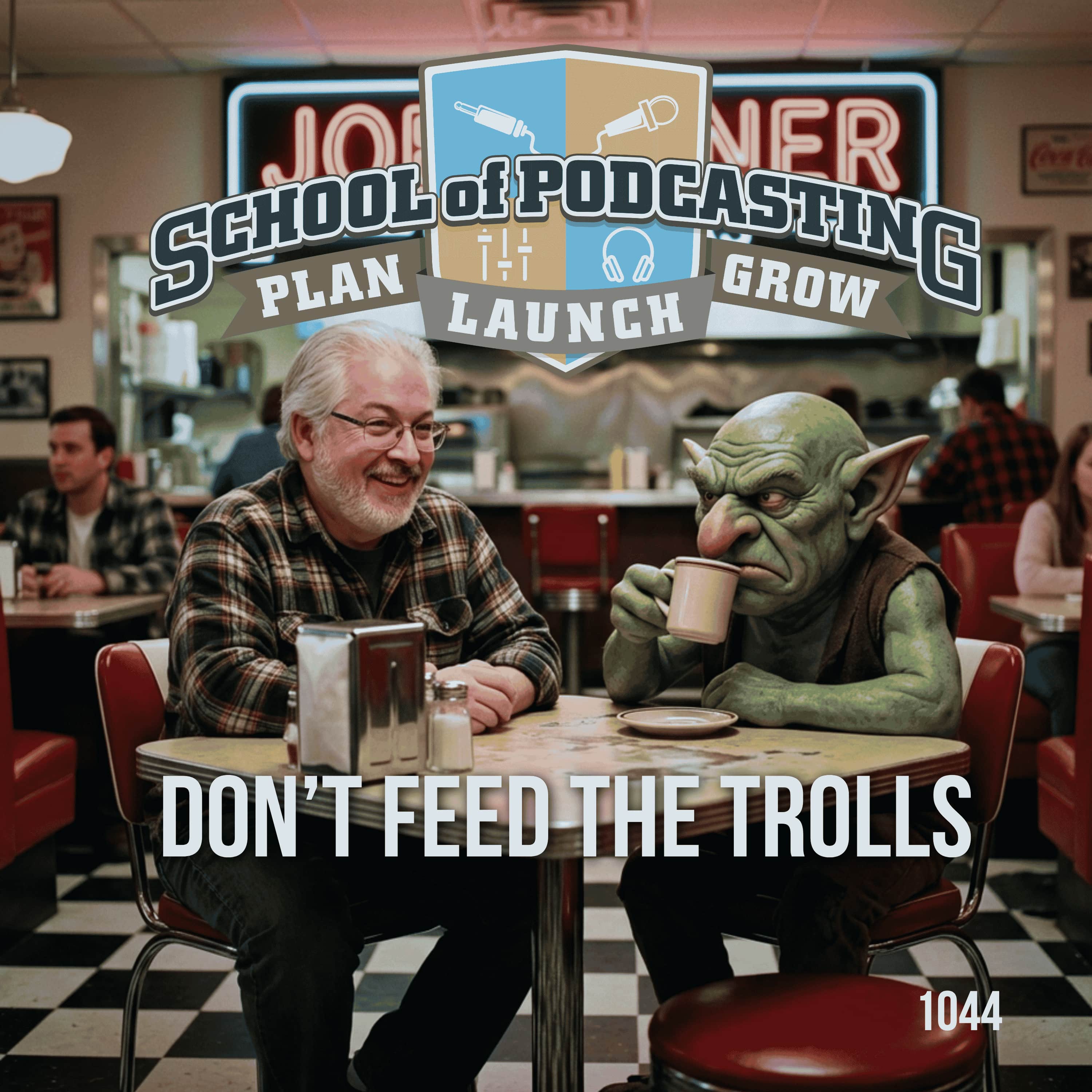
A private podcast focus group allows creators to gather actionable, honest critique from a trusted circle of listeners before releasing episodes to the public. By moving your quality-control process out of the public comment section and into a curated group, you can iterate on your content, refine your delivery, and grow your show without exposing yourself to the volatility of random internet trolls.
Key Takeaways
- Focus groups provide constructive, private feedback that prevents you from wasting time on episodes that don't resonate.
- Select loyal listeners or patrons who understand the goals of your show to ensure critiques remain helpful rather than destructive.
- Use small, private channels like email lists or specialized messaging groups to avoid the toxicity found in public social media comments.
- Testing topics and interview angles with a focus group can save you from years of promoting content that misses the mark.
- Building a 'thick skin' is easier when your feedback comes from people invested in your success, not anonymous strangers.
The Problem With Public Feedback
As podcasters, we are often told that feedback is the "breakfast of champions." However, receiving that feedback in public forums—like YouTube comments, Reddit threads, or social media—is a recipe for burnout. When you open your show to the general public, you are inviting in people who have no stake in your success. A public commenter doesn't know your long-term vision; they only know how they feel in that fleeting moment, which often results in aggressive or unsolicited advice that isn't actually meant to help you improve.
The danger of relying on public comments for growth is that they act as a distraction. You might spend hours debating a "typo troll" or responding to someone who simply wants you to create a completely different show. This drains your creative energy and pushes you away from the audience members who truly matter. By shifting to a focus group model, you stop viewing feedback as an attack and start viewing it as a strategic development tool.
Creating Your Inner Circle
You don't need a massive team to have a focus group. In fact, smaller is often better. The most effective groups are built from people who are already listening and engaging with your content. If you have a Patreon, a paid community, or an email list, you already have a pool of candidates who are invested in your success. These are people who want your show to thrive, so they are naturally motivated to give honest feedback that actually helps you reach your goals.
Recruiting Trusted Advisors
When reaching out, be clear about your intentions. Let them know you are looking to improve the show and that their specific perspective is valued. You might ask: "I’m working on a new format and would love your honest take—does this intro feel too long?" or "Does this guest’s expertise come through clearly?" Because they have a relationship with you, they will tell you if the 'bread has too much salt' in a way that feels supportive rather than condescending.
Using Feedback as a Pre-Production Tool
One of the most powerful ways to use a focus group is to solicit feedback before an episode ever reaches the public feed. Experienced podcasters use this stage to "kill" concepts that don't work early on. Instead of recording a three-part series on a topic that your audience doesn't care about, run the idea by your focus group first.
If you ask your small group about a potential guest or a specific theme and the consensus is a cold 'no,' you have saved yourself hours of production, editing, and marketing time. This is not about letting your listeners dictate your show; it is about gathering data to ensure that the time and effort you invest in your podcast yields the best possible result for your target audience.
The Benefit of Anonymity Without the Trolls
There is a unique advantage to having a private channel for communication. When you communicate directly with a dedicated group of listeners, they feel a sense of ownership over the show. This creates a feedback loop where they feel heard and valued. Unlike a public comment section, where a troll aims to make you mad to feel seen, a focus group member wants you to succeed so they can continue enjoying the content you produce. It turns the entire dynamic from adversarial to collaborative.
Conclusion
You have worked hard to build your podcast, and you deserve a growth process that supports your mental health rather than draining it. By moving away from the toxic, unpredictable environment of public comment sections and toward a private, trusted focus group, you can turn constructive criticism into a competitive advantage. For more strategies on how to distinguish between malicious noise and valuable insight, Listen to the full episode. Take control of your show’s development today by creating a safe space for the feedback that actually matters.
Frequently Asked Questions
How many people should be in a focus group?
Start small with 5-10 highly engaged listeners. A smaller group is easier to manage and allows for deeper, more meaningful conversations that provide real actionable insights.
Is a focus group the same thing as having super-fans?
Not necessarily. While super-fans are great, a good focus group should be willing to provide critical feedback. If your group only tells you that everything is perfect, you are missing out on the growth opportunities that constructive criticism provides.
How often should I ask my focus group for feedback?
Do not overwhelm them. Reach out when you are in the planning phases of new content or when you want a specific "gut check" on a new segment or guest. Respecting their time ensures they remain willing to help.
Should I pay my focus group members?
While you don't necessarily need to pay them, giving them exclusive perks—like early access to episodes, direct input into future topics, or a behind-the-scenes shout-out—creates a reciprocal relationship that keeps them engaged.

Using the ADDIE Model to Build a Better Podcast